
Why animals can weaken a roof over time
In Jamestown, NY, animals can affect roof integrity through nesting, chewing, scratching, moisture retention, and repeated movement across roofing materials. Damage may begin with a small opening or loose component and become more serious when water, ice, and additional animals enter the same area.
Roof-related animal problems are not limited to large wildlife. Birds, squirrels, raccoons, bats, insects, and even rodents can create conditions that shorten the useful life of roofing materials. The risk is often greater on older homes, roofs with deteriorated edges, and buildings with nearby trees or unsealed attic openings.
Which animals commonly damage roofs?
Different animals create different types of roof problems.
- Squirrels may chew through wood trim, fascia, soffits, and some roofing-related materials to reach an attic or create a nesting entrance.
- Raccoons can lift or tear roofing materials, damage vents, and enlarge existing openings with their weight and digging behavior.
- Birds may nest beneath loose shingles, around vents, or in gutters. Nesting material can hold moisture against roofing components.
- Bats often enter through small gaps near roof edges, ridge vents, chimney areas, or flashing. Their presence may be difficult to detect from the ground.
- Rodents can use roof openings as entry points to wall cavities and attics. They may also chew insulation, wiring, and wood.
- Insects such as carpenter ants and wood-boring insects can take advantage of damp or deteriorated wood near roof leaks.
- Domestic animals occasionally cause damage when they walk on low-slope sections, climb onto roofs, or disturb roof-edge materials.
An animal does not need to puncture the main field of the roof to create a leak. Damage at flashing, vents, valleys, eaves, and roof edges can allow water into the structure.
How does nesting affect a roof?
Nesting can contribute to moisture damage even when the roof covering appears intact. Leaves, grass, feathers, and other nesting materials may block drainage paths or trap water against wood and metal components.
A nest near a plumbing vent, attic vent, or roof opening can also interfere with normal airflow. Poor ventilation may increase condensation in the attic, especially during cold weather. In the Jamestown area, seasonal temperature changes can make moisture problems more noticeable because warm indoor air may meet cold roof sheathing and framing.
Bird droppings can also accelerate the deterioration of some metal surfaces and create unsanitary conditions around attic openings. Removing a nest without correcting the entry point may lead to repeated activity.
Can animals cause roof leaks?
Yes. Animals can cause roof leaks directly or indirectly.
Direct damage may include lifted shingles, torn membrane material, punctured flashing, broken vent covers, or displaced ridge components. Indirect damage occurs when animals expose wood, loosen fasteners, block drainage, or create openings that allow wind-driven rain and melting snow into the roof assembly.
A leak may not appear directly below the damaged area. Water can travel along rafters, roof decking, insulation, or wall cavities before becoming visible indoors. Signs may include:
- Water stains on ceilings or upper walls
- Damp insulation in the attic
- Musty odors
- Peeling paint or soft drywall
- Daylight visible around roof edges or vents
- Scratching, rustling, or movement sounds
- Droppings or nesting material
- Damaged fascia, soffits, or gutters
A ceiling stain that appears after a storm may reflect damage that occurred earlier. Moisture can remain hidden until a period of heavy rain, snowmelt, or strong wind exposes the weak point.
Why are roof edges especially vulnerable?
Roof edges contain several components that animals can disturb, including fascia, soffits, drip edges, gutters, eave closures, and ventilation openings. These areas may also provide convenient access to attics.
Loose soffit panels, rotted fascia, and gaps near the eaves are common entry points. Once an animal finds an opening, repeated movement can enlarge it. In colder seasons, freeze-thaw cycles may further widen cracks or separate already weakened materials.
Trees close to a house can increase access to the roof. Branches may serve as travel routes, drop nesting material onto the roof, or rub against shingles and flashing during wind. Overhanging vegetation can also slow drying after rain.
What should residents check after noticing animal activity?
A roof inspection should begin from a safe location on the ground. Looking from the yard or an upper window may reveal lifted materials, missing shingles, damaged vents, torn screens, or dark openings near the roof edge.
Inside the attic, useful observations include:
- Fresh scratches or chew marks
- Compressed or disturbed insulation
- Droppings or nesting debris
- Damp roof decking
- Staining around penetrations
- Light entering through an unintended opening
- Unusual odors or sounds
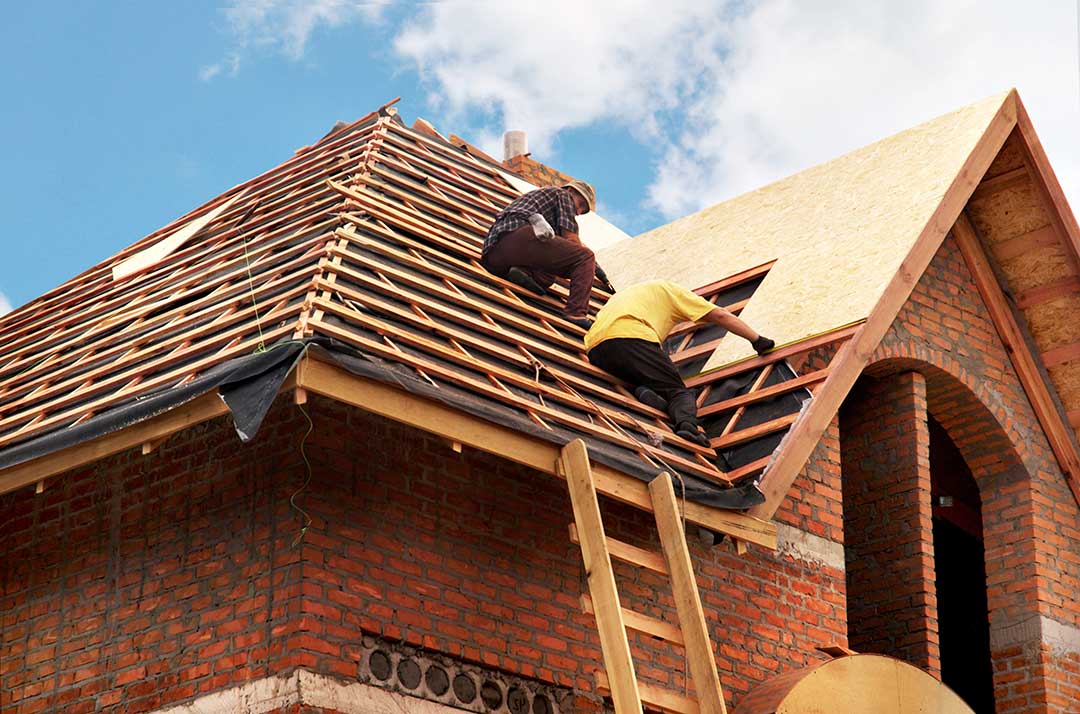
Walking on a roof to investigate animal damage can create additional damage and presents a fall hazard, especially when surfaces are wet, icy, steep, or covered with moss. Roof access is particularly risky during spring thaw and winter conditions.
Should an animal be removed before roof repairs?
Usually, the entry problem should be addressed before permanently sealing an opening. If an animal remains inside, blocking the opening can trap it in the attic or force it to damage another part of the roof while trying to escape.
The correct approach depends on the species, the location of the nest, and whether young animals are present. Some animals may also carry parasites or diseases. Bats and certain nesting birds may be subject to wildlife protections or seasonal restrictions, so removal methods should not be improvised.
After the animal has safely left or been legally removed, the damaged area can be cleaned, repaired, and sealed. Simply covering an opening with roofing cement or a piece of metal may not address hidden damage to insulation, decking, framing, or wiring.
How can animal-related roof damage be reduced?
Prevention focuses on keeping roof openings functional for ventilation but inaccessible to animals.
Helpful measures include:
- Repairing loose fascia, soffits, and roof-edge trim
- Maintaining secure vent covers and attic screens
- Replacing damaged flashing around chimneys, vents, and skylights
- Keeping gutters clear so moisture does not soften roof-edge wood
- Trimming branches that provide direct access to the roof
- Removing fallen nesting material when it is safe and lawful to do so
- Checking older roofs for deteriorated sealants and exposed openings
- Keeping attic vents unobstructed while protecting them with suitable screening
Repairs should preserve proper ventilation. Blocking an attic vent completely may prevent animal entry but can create condensation and heat-buildup problems.
When does animal activity become a structural concern?
Animal activity becomes more serious when there is ongoing moisture, damaged framing, sagging roof decking, repeated entry, or evidence that electrical wiring has been disturbed. Chewed wiring can create a fire risk, while damp wood may lose strength or support fungal decay.
A roof that has been entered by a large animal may also have hidden damage that is not visible from the ground. If a ceiling is sagging, water is actively entering, wiring appears damaged, or an animal is trapped, avoid entering the affected area and seek appropriate safety or wildlife assistance.
Prompt attention does not necessarily mean replacing the entire roof. In many cases, the key issue is identifying the entry route, checking for concealed moisture, and restoring the roof’s protective and ventilation systems without creating a new problem.
