
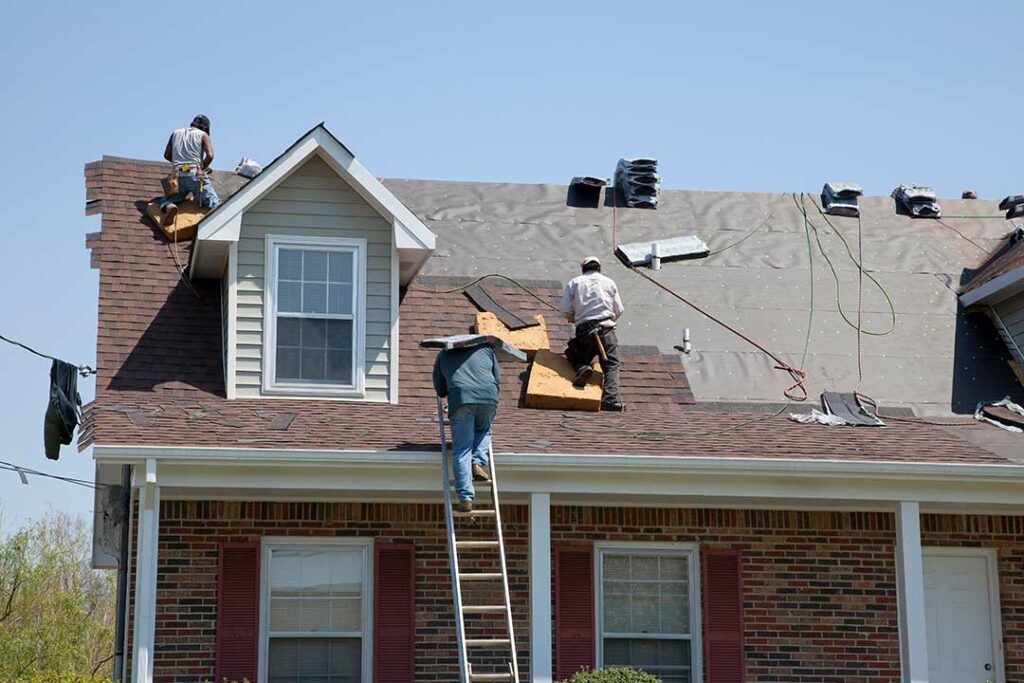
Are All Roofing Materials the Same?
No, roofing materials vary greatly in quality, cost, and suitability for different conditions. In Jamestown, choosing the right type can directly impact how well a roof withstands heavy snowfall, fluctuating temperatures, and spring rains.
Many local homeowners believe that traditional asphalt shingles are always the best or only option. While asphalt is popular for its affordability, other materials like metal, slate, or architectural shingles can last longer and perform better under certain local weather patterns. For example, metal roofing sheds snow more easily, making it appealing to residents dealing with heavy winter accumulation.
Does a New Roof Solve All Problems?
Installing new roofing is not a cure-all for underlying home issues. If there is poor insulation, inadequate attic ventilation, or existing moisture problems in a Jamestown home, these can persist and cause trouble even after new shingles are put down.
Residents sometimes assume that replacing old roofing will fix leaks or condensation. In reality, roof-related water problems may stem from:
- Blocked or poorly sloped gutters
- Attic leaks due to ice damming
- Insufficient ventilation causing mold or mildew
Addressing only the visible roof surface, without tackling these root causes, can lead to repeated repairs and ongoing headaches.
Can Roofs Be Neglected Because They Seem Fine?
Just because a roof looks intact from the ground does not guarantee there are no issues. Aging, cracked, or loose shingles and hidden water intrusion can go unnoticed for years in older homes common throughout Jamestown.
Local residents may also assume that roof maintenance is only needed after severe weather, but regular visual checks—especially after winter thaws and storms—help catch problems early. Small signs such as displaced granules in gutters, minor curling, or subtle discoloration are easier (and less costly) to fix before they become major leaks or structural damage.
Is DIY Roof Work Safe or Straightforward?
Handling roof repairs or inspections personally is often underestimated in difficulty, especially with the steep pitches and icy conditions seen during Jamestown winters. Working at height involves risk not just from falls, but also from improper handling of materials and tools.
Some residents feel confident patching a leak or replacing a few shingles, but without safety equipment and technique, accidents are more likely. Additionally, it’s easy to unintentionally create ventilation or flashing issues that only surface months later.
Do Roofs Only Need Attention After Big Storms?
Extreme weather does bring obvious risks, but slow, cumulative wear from partial sun, humidity, and ice buildup can be just as damaging over time. Jamestown roofs are subject to freeze-thaw cycles that can loosen roofing fasteners, warp wood, and degrade underlayment long before acute storm damage occurs.
A common misconception is that unless there’s visible destruction, such as after a windstorm, there’s nothing to worry about. In reality, most leaks and structural failures develop slowly and quietly through repeated seasonal stresses.
Are All Roof Leaks Easy to Spot?
Many people expect leaks to reveal themselves as large stains or obvious drips, but water can travel along beams or insulation and appear far from the actual entry point. In homes with finished attics or drop ceilings, years can pass before any signs are evident inside the living space.
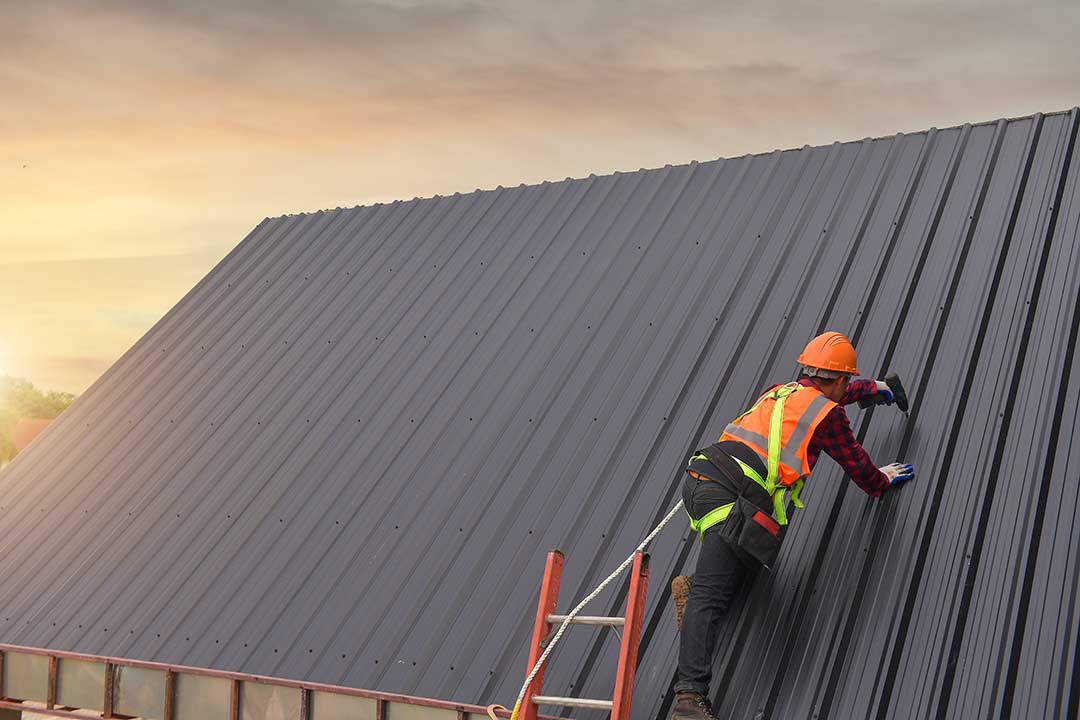
Residents are often surprised that small stains on upstairs ceilings, soft spots along walls, or musty odors may signal roof leaks, especially when snowmelt or rain is directed against an aging structure. Careful monitoring after each winter or heavy rain event can help spot these subtle, early clues.
Will a New Roof Raise Property Value Immediately?
Although a major roofing upgrade can boost a home's value in many real estate markets, Jamestown’s buyers also weigh other factors like insulation, heating efficiency, and home age. Not all new roofs yield a substantial return on investment, especially if other elements of the home need updating.
Some local homeowners are surprised to find that appraisers and buyers may prefer energy efficiency improvements or upgraded windows over high-end roofing materials, unless the previous roof was seriously deteriorated.
Does Roof Color Make a Difference in Performance?
Yes, especially in areas like Jamestown where summer sun and winter snow both challenge building comfort. There’s a misconception that color is purely a style choice, but lighter-colored roofs often reflect sunlight, helping to lower attic temperatures during sunny periods. In winter, a darker roof may help melt snow slightly faster.
While the impact on heating costs or snow shedding is not dramatic, thoughtful selection of color, combined with good insulation, can make a modest difference in year-round energy efficiency.
Is Professional Roof Inspection Always Unnecessary?
Some residents believe that only visible damage warrants calling for an inspection, but reputable home inspectors or neutral third-party roof evaluators look for signs that aren’t obvious to an untrained eye. Particularly for older homes common in the area, periodic inspection can reveal early warning signs of trouble related to local climate and building practices.
However, not every issue requires professional help. Homeowners can safely check for debris blockage, inspect attic insulation, and watch for emerging leaks. When climbing onto a roof is needed or structural issues are suspected, trained inspection is warranted for safety reasons.
Do All Roofing Problems Require Full Replacement?
Many believe any significant problem means a total roof tear-off, but partial repairs or targeted upgrades are common and effective. Replacing flashing, repairing specific valleys, or patching a section of shingles often restores functionality and buys years of time.
Especially for residents watching household expenses, this misconception can lead to unnecessary costs. A careful assessment can determine if limited repairs suffice before committing to a full replacement.
