
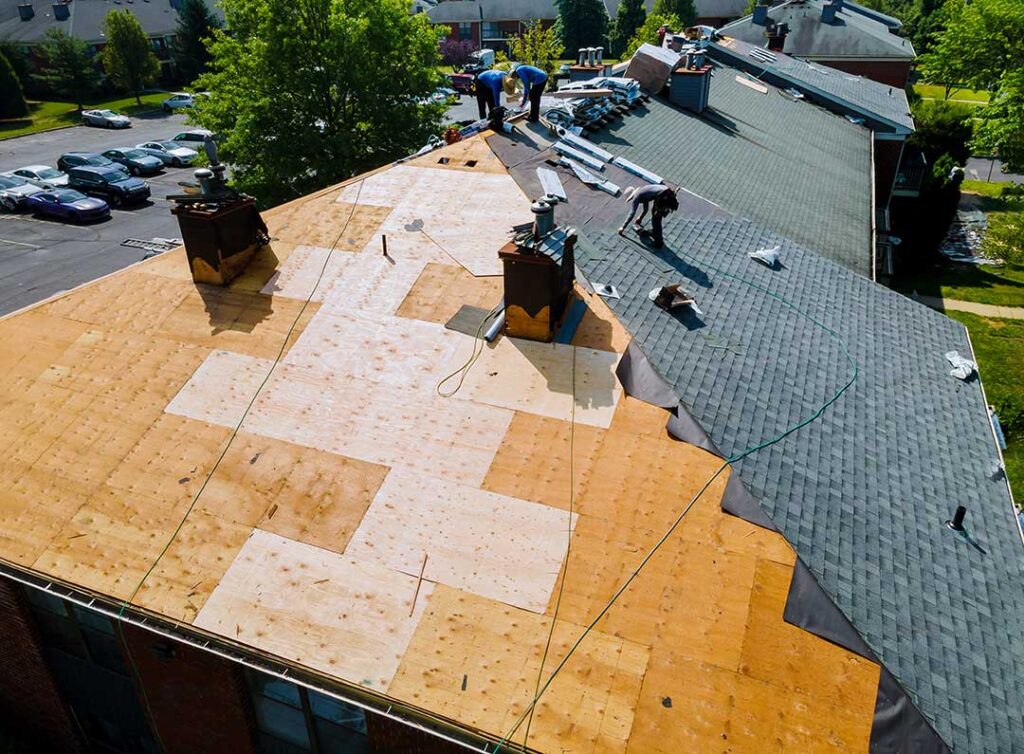
Roof shingles are the visible weather barrier, but the layers beneath them also play a major role in keeping a house dry. Roof underlayment is the protective material installed between the roof deck and the outer roofing covering. It helps limit water intrusion, shields the deck during installation, and provides an added layer of defense when wind-driven rain, melting snow, or ice reaches vulnerable areas.
For homeowners in Jamestown, NY, understanding underlayment is especially useful because roofs must manage repeated freeze-thaw cycles, winter precipitation, spring rain, and occasional strong winds. The underlayment is not usually visible after a roof is completed, but its condition and installation can affect how well the entire roof system performs.
What is roof underlayment?
Roof underlayment is a water-resistant or waterproof sheet placed over the roof deck and beneath shingles, metal panels, or other exterior roofing materials. The roof deck is the structural surface, commonly made from plywood or oriented strand board, while the underlayment acts as an intermediate protective layer.
Its main functions include:
- Helping prevent water from reaching the roof deck
- Protecting the deck from temporary exposure during installation
- Reducing the risk of leaks around seams, valleys, penetrations, and roof edges
- Providing backup protection if shingles become damaged or displaced
- Helping separate some roofing materials from the deck
Underlayment is not intended to replace properly installed shingles or other roof coverings. Instead, it is one part of a complete roof assembly that may also include flashing, ventilation, ice-barrier materials, fasteners, and drainage components.
What types of underlayment are used?
The three broad categories are asphalt-saturated felt, synthetic underlayment, and self-adhering membrane.
Asphalt-saturated felt has been used for many decades. It is generally made from a paper or fiberglass base saturated with asphalt. Felt can provide reliable temporary protection, but it may wrinkle, tear, or absorb moisture more readily than some newer materials if left exposed for too long.
Synthetic underlayment is made from polymer-based materials. It is usually lighter than felt, resists tearing, and can provide more consistent coverage during installation. Synthetic products vary considerably, so their actual performance depends on the product specifications, fastening method, seam treatment, and exposure limits.
Self-adhering membrane has a sticky backing that bonds to the roof deck. These membranes are often used in areas that deserve additional protection, such as eaves, valleys, around penetrations, and near roof edges. They can help seal around fasteners, but proper surface preparation and installation temperature are important.
The right material depends on the roof design, exterior covering, slope, climate exposure, manufacturer instructions, and applicable building requirements. A more expensive material is not automatically the right choice for every roof.
Why does underlayment matter in a cold, snowy climate?
Snow and ice create conditions that can challenge the roof covering and the layers beneath it. Snow may melt during a sunny winter day and refreeze near colder roof edges. If water backs up beneath shingles, the underlayment and edge-protection materials may be part of the system that limits damage to the roof deck.
Freeze-thaw movement can also expose small weaknesses. Roofing materials expand and contract, fasteners may become surrounded by changing moisture conditions, and seams can be stressed over time. Underlayment cannot correct poor roof drainage or eliminate ice dams, but a properly selected and installed layer can provide additional protection when water moves in places it should not.
Heavy snow can also conceal roof damage for extended periods. A missing shingle, lifted flashing component, or puncture may not be obvious from the ground. Underlayment is valuable partly because it provides backup protection during the period between damage and discovery.
Is underlayment the same as an ice dam membrane?
No. Ice-barrier membrane is a specialized type of self-adhering underlayment designed for areas more vulnerable to water backup. It is often installed along eaves and in other locations specified by building requirements or the roof design.
Regular felt or synthetic underlayment may not provide the same self-sealing protection as an ice-barrier membrane. The two materials can work together, but they serve different purposes.
Ice-barrier material also does not solve the underlying causes of ice dams. Heat loss through the ceiling, inadequate attic insulation, limited ventilation, air leakage, roof geometry, and weather conditions can all contribute. Removing snow or improving attic conditions may be necessary, depending on the situation.
Where is underlayment most important?
Underlayment matters across the entire roof, but certain areas require especially careful detailing:
- Eaves: These edges may experience water backup from melting snow or ice.
- Valleys: Two roof slopes meet here, creating a concentrated drainage path.
- Roof penetrations: Plumbing vents, chimneys, skylights, and similar features interrupt the roofing surface.
- Rakes and roof edges: Wind can lift exposed roofing materials in these locations.
- Low-slope sections: Water drains more slowly on lower-pitched areas.
- Transitions: Changes in roof direction or material can create difficult flashing conditions.
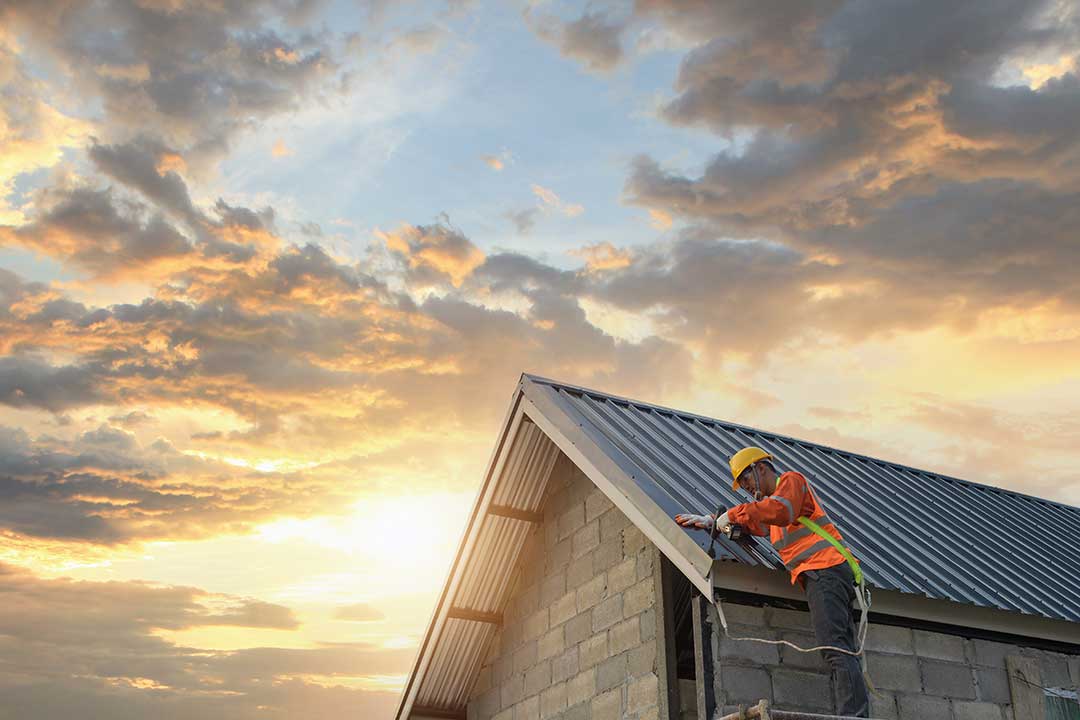
Flashing is often more critical than underlayment at penetrations and transitions. A strong underlayment layer cannot compensate for missing, damaged, or improperly arranged flashing.
What can damage roof underlayment?
Underlayment can deteriorate from age, prolonged exposure to sunlight, repeated wetting, foot traffic, wind movement, poor fastening, and installation over a damaged or damp roof deck. It may also be punctured by nails, fasteners, tools, branches, or later work involving antennas, vents, solar equipment, or other roof-mounted items.
A common misconception is that underlayment remains fully protective simply because it is covered by shingles. If water repeatedly enters through damaged exterior materials, moisture may travel beneath the underlayment or collect around fastener holes and seams.
Signs of possible underlayment problems can include:
- Water stains on ceilings or upper walls
- Damp insulation in the attic
- Musty odors or visible mold-like growth
- Soft or deteriorated roof decking
- Leaks that appear away from the obvious exterior damage
- Moisture near valleys, eaves, or roof penetrations
These symptoms can have several causes, so the visible location of an interior stain does not always identify the exact leak source.
Can underlayment be replaced without replacing the whole roof?
Usually, underlayment cannot be replaced across a roof without removing the exterior roofing material above it. Limited repairs may be possible when only a small area is affected and the surrounding roofing can be carefully removed and reinstalled, but matching older materials and preserving watertight details can be difficult.
During a full roof replacement, the condition of the roof deck should be checked before new underlayment is installed. Underlayment placed over rotten, wet, or structurally compromised decking does not correct the underlying problem.
Homeowners should also keep records of roof work, including the approximate installation date, materials used, areas repaired, and any known leak history. Those details can help explain future problems, especially when a roof has several layers or has undergone repeated repairs.
What should homeowners look for during a roof inspection?
A basic visual inspection from the ground can identify some warning signs, but underlayment itself is generally hidden. Useful observations include missing or lifted shingles, exposed fasteners, damaged flashing, sagging roof lines, clogged drainage paths, and water stains inside the home.
Attic inspection can reveal more information. Look for damp wood, daylight entering through unintended openings, compressed or wet insulation, rusted fasteners, and moisture around penetrations. Inspection should be postponed during unsafe conditions, including icy surfaces, active storms, high winds, or unstable attic access.
Roof underlayment is easy to overlook because it is rarely visible in a finished roof. Its value becomes clearer when the outer covering is damaged, water is driven beneath roofing materials, or winter conditions place extra stress on roof edges and drainage paths. Understanding this hidden layer helps residents evaluate roof condition more accurately and recognize why shingles, flashing, ventilation, decking, and underlayment must function together.
