
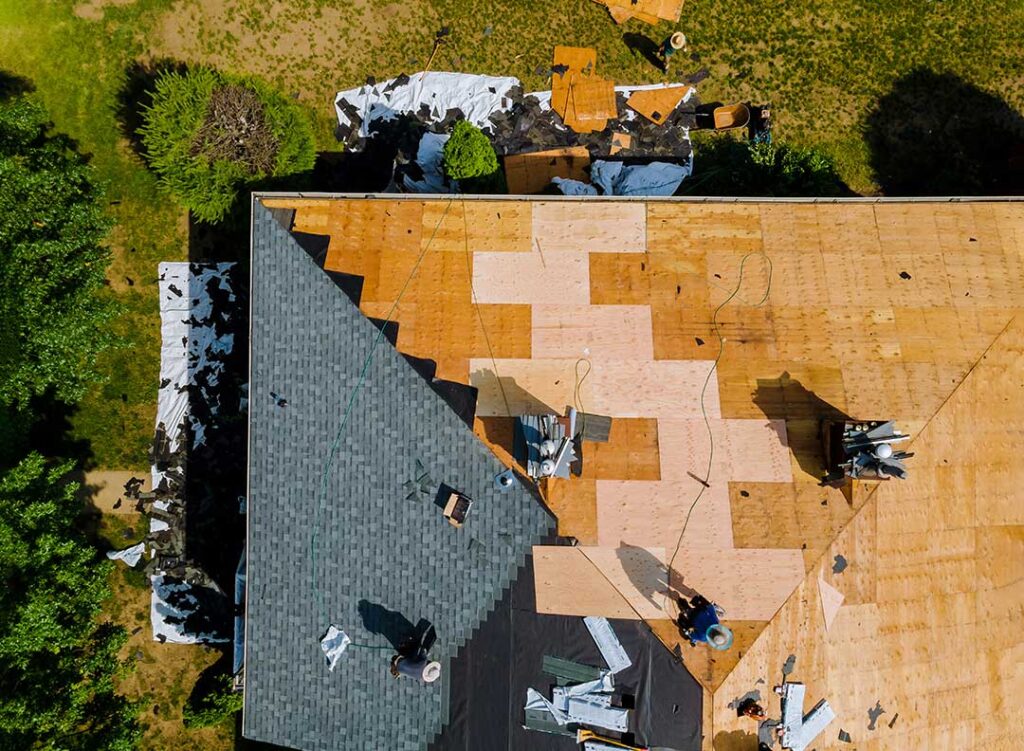
Skylights can make a dark room feel brighter and more spacious, but they also create an opening in the roof. That opening changes how water, snow, ice, heat, and ventilation move across the roofing system.
For homeowners in Jamestown, NY, skylights deserve special attention because roofs must handle winter snow, freeze-thaw cycles, wind-driven rain, and occasional ice buildup. A skylight is not automatically a roof problem, but its design, installation, age, and maintenance can affect the roof’s service life.
Do skylights weaken a roof?
A properly designed and installed skylight does not automatically weaken the roof. The surrounding roof structure is usually framed to support the opening, and the skylight is installed with flashing and a weather-resistant seal.
The main concern is not simply the glass or frame. It is the interruption of the roof’s continuous surface. A roof without openings sheds water in a relatively uniform way. A skylight creates edges, corners, seams, and changes in drainage patterns where problems can develop.
Risk increases when:
- The opening was framed incorrectly
- The skylight is too large for the roof structure
- Flashing is missing, damaged, or installed improperly
- Roofing materials were cut too closely around the frame
- Water collects above the skylight
- Snow and ice remain against the uphill side for long periods
Older skylights can also become a weak point even when the rest of the roof is in reasonable condition.
How do skylights affect water drainage?
Skylights interrupt the flow of rainwater and melting snow. Water moving down the roof may divide around the frame, increasing the amount of moisture traveling along the sides and lower corners.
The uphill side is especially important. A skylight installed below a roof slope or near a valley may receive concentrated runoff. If the surrounding flashing cannot direct that water away, leaks may develop at the upper corners or along the sides.
Common signs of drainage-related trouble include:
- Brown or yellow ceiling stains
- Damp drywall near the skylight opening
- Peeling paint or bubbling plaster
- Drips that appear only during heavy rain
- Moisture that appears after snow begins melting
- Darkened wood or insulation around the opening
A leak may not show up directly below the skylight. Water can travel along roof framing, insulation, or ceiling materials before becoming visible indoors. That is why staining several feet away from the skylight does not rule out the skylight as a source.
Why is flashing so important?
Flashing is the system of metal or weather-resistant materials that directs water around the skylight. It works together with the roof covering, underlayment, and sealants.
Sealant alone is not a substitute for properly arranged flashing. Caulk may temporarily block a small gap, but it can dry out, crack, pull away from the frame, or conceal a larger drainage problem.
A durable skylight installation generally includes:
- Step or side flashing along the edges
- Head flashing on the uphill side
- Sill flashing along the lower edge
- A compatible underlayment or waterproof membrane
- Proper integration with shingles or other roof coverings
- Adequate clearance from valleys, ridges, and roof edges
Flashing should be evaluated as part of the entire roof system. Replacing only visible caulk may not address water entering beneath the flashing or behind the surrounding roofing materials.
Can snow and ice damage a skylight or roof?
Snow and ice can increase stress around a skylight, particularly on a sloped roof. Snow may collect on the uphill side of the frame, while melting and refreezing can create ice along the lower edge.
In Jamestown, winter conditions may include repeated cycles of snowfall, thawing, and refreezing. These cycles can expose weaknesses that remain hidden during dry weather. Water from melting snow may move beneath roofing materials if ice blocks its normal path downhill.
Ice-related problems may include:
- Leaks at the uphill side of the skylight
- Cracked or distorted flashing
- Damaged shingles around the frame
- Water intrusion during daytime thawing
- Interior condensation that resembles a roof leak
- Excessive snow load on the roof structure
Snow should not be chopped away with sharp tools, since this can damage shingles, flashing, skylight frames, or the glass itself. Removing snow from a roof can also create a fall hazard and should not be attempted from an unsafe position.
Do skylights cause condensation?
Skylights can contribute to condensation, but condensation is different from a roof leak. Warm, moist indoor air may collect on a cold skylight surface, especially during winter.
Condensation is more likely in rooms with:
- High indoor humidity
- Poor bathroom or kitchen ventilation
- Drying clothes indoors
- Many occupants or indoor plants
- Limited airflow around the skylight
- Older glazing with lower insulating performance
Condensation may appear as fogging, droplets, damp trim, or minor staining. A true roof leak is more likely to occur during or after rain, snowmelt, or wind-driven precipitation, although the two problems can occur at the same time.
Improving ventilation and controlling indoor humidity may reduce condensation. However, persistent dampness around the frame should still be examined because water infiltration can be hidden behind interior finishes.
How does a skylight affect roof replacement?
A roof replacement does not always require replacing a skylight, but the two systems should be evaluated together. If the skylight is old, hazy, cracked, leaking, or showing damaged flashing, installing new roofing around it may not solve the underlying problem.
The age relationship matters. A relatively new skylight may be suitable for integration with a replacement roof if its flashing system is compatible with the new roofing materials. An older unit may have seals, glazing, or frame components nearing the end of their useful life.
Roof work around a skylight requires careful attention to:
- The new roofing material’s thickness
- Underlayment placement
- Flashing dimensions
- Fastener locations
- The skylight manufacturer’s installation requirements
- The condition of the roof framing
- Interior trim and insulation
Replacing roofing while leaving a failing skylight in place can result in duplicated work if the unit leaks later. Replacing a skylight unnecessarily, however, can add cost and disruption without improving the roof if the existing unit is sound.
Where should skylights be avoided?
Skylights are more difficult to keep watertight when placed in complicated areas of a roof. Locations near valleys, chimneys, roof-wall intersections, and low-slope sections may receive concentrated water or require complex flashing.
Placement also matters for structural reasons. Cutting through rafters or trusses without an appropriate framing plan can affect the roof’s load path. A skylight should not be installed simply because an interior room has a convenient ceiling location.
Before installation or major repair, the roof should be assessed for:
- Slope and drainage direction
- Rafter or truss layout
- Snow accumulation patterns
- Distance from roof penetrations
- Available room for flashing
- Interior access for insulation and finishing
What should homeowners inspect?
A basic visual check can identify warning signs, although it cannot reveal every problem beneath the roofing materials.
From inside, look for staining, peeling paint, damp wood trim, fogged glazing, or drafts around the frame. From the ground, check for cracked or missing shingles, lifted flashing, debris buildup, or visible damage around the skylight.
After heavy rain or a snowmelt event, inspect the ceiling and surrounding trim for new moisture. Do not walk on a steep or icy roof to inspect the skylight. Structural damage, active leaking, exposed framing, electrical hazards, or unsafe roof access require qualified evaluation because the risk is greater than a routine visual check.
A skylight can provide useful daylight and ventilation for many years, but it should be treated as part of the roof—not as a separate feature. Its performance depends on structural support, drainage, flashing, insulation, ventilation, and the seasonal demands placed on the entire roofing system.
