

Does Ignoring Roof Problems Really Cost More in the Long Run?
Yes, neglecting roof issues almost always leads to higher costs later. While a stained ceiling or a few missing shingles may seem minor in a Jamestown home, these early signs often hide more serious damage. Minor leaks can develop into widespread water intrusion, leading to expensive repairs that far exceed the original fix.
In Jamestown’s climate, with heavy snow, ice, and fluctuating temperatures, unattended roof problems can escalate rapidly. Water seeps under damaged shingles or flashing, causing rot or soaked insulation beneath. Over one or two seasons, even small vulnerabilities become big expenses.
What Types of Damage Does a Neglected Roof Cause Inside the Home?
Immediate surface leaks are only part of the story—roof problems can result in a diverse set of interior issues:
- Water-stained ceilings and walls often signal wider spreading moisture issues.
- Persistent leaks contribute to mold and mildew growth, which spread quickly in hidden spaces like attics and wall cavities.
- Damp insulation loses its effectiveness, driving up heating bills during Jamestown’s cold winters.
- Over time, continual moisture weakens framing members, causing sagging ceilings or floor joists.
For residents of older homes, which are common in the city, these issues may also impact historic plaster, woodwork, or original features that are more expensive to repair or restore.
Why Are Local Weather Patterns a Factor?
Freezing temperatures, snowmelt cycles, and wind-driven rain—not just age—are major contributors to roof deterioration in Jamestown. Water that enters through a damaged area may freeze and expand overnight, opening up larger gaps. Ice dams form along roof edges, trapping water which then finds its way inside.
Jamestown experiences heavy snow loads from late fall through early spring. Even a small unnoticed leak under an ice dam can cause significant water intrusion. Shingles loosen more quickly, flashing pulls away from chimneys, and gutters back up, all accelerating the breakdown.
How Can Ignoring Minor Problems Lead to Structural Damage?
Addressing a leak while it’s still small often means a quick patch or replacement of a few shingles. But ignored over months or years, water can rot supporting structures:
- Rotted roof decking may sag, requiring whole sections to be replaced.
- Structural beams and trusses, if exposed to continual wetness, can weaken and bow.
- Significant rot in framing members may require engineered repairs.
Not only are these repairs more invasive, but they also disrupt daily life—especially during Jamestown’s wet or snowy months, when construction indoors is challenging.
Are There Safety or Health Risks from Untreated Roof Leaks?
Ignoring roof leaks doesn’t just harm the building. It also creates real health and safety hazards:
- Mold growth in attics or walls releases spores that can aggravate respiratory issues, allergies, or asthma.
- Weakened ceilings may collapse suddenly, posing a danger to anyone below.
- Electrical systems exposed to moisture risk shorts or fires.
In multi-family homes or houses with finished attics, these hazards are more pronounced, since trapped moisture and hidden mold may spread farther before detection.
How Does Delayed Roof Maintenance Affect Insurance or Property Value?
Home insurance policies can be complicated when it comes to roof neglect. Problems that worsen over time due to lack of attention may be classified as "deferred maintenance," which some policies exclude from coverage. That means residents could pay entirely out of pocket for major damage.
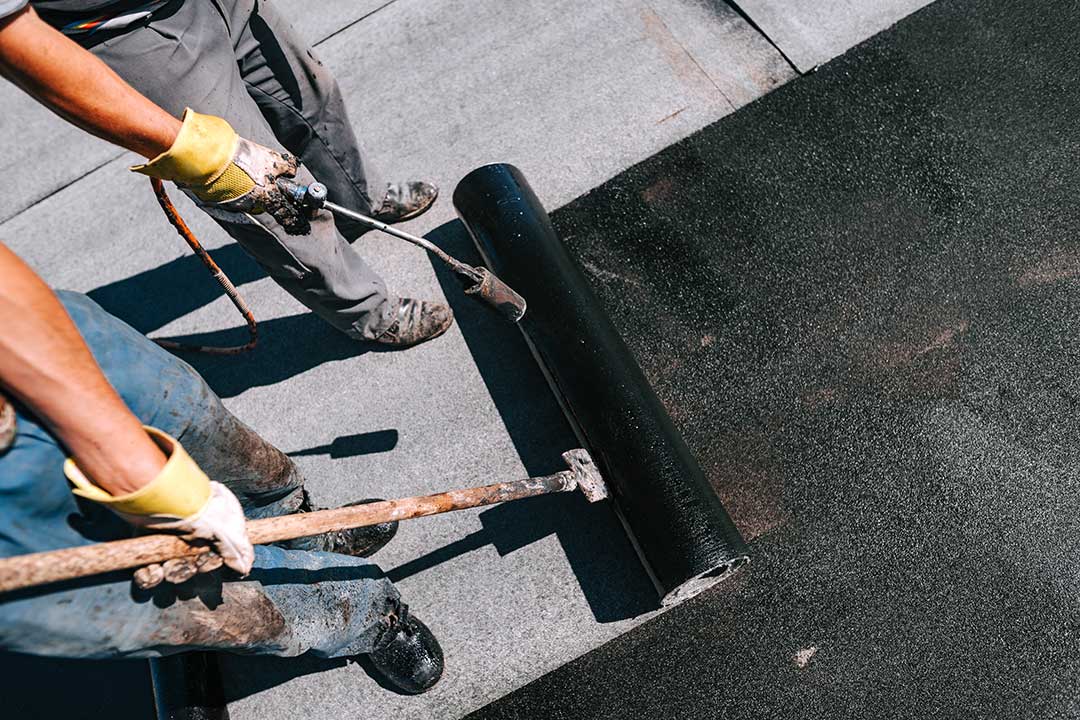
When selling a property in Jamestown, visible or documented roof damage almost always lowers the home’s value and can slow the sale process. Savvy buyers—or their inspectors—often spot roof issues, and may ask for significant concessions or walk away from the sale.
What Are Some Common Misconceptions About Roof Problems in the Area?
Some residents believe that as long as water isn’t dripping from the ceiling, the roof is “good enough.” In reality:
- Small leaks can be hidden in attics or behind finished walls for years.
- Stained spots may dry out during summer, only to return worse after rainy or snowy periods.
- Temporary repairs—like tarps or patch jobs—don’t last through multiple freeze-thaw cycles common in Jamestown.
Others assume insurance will cover any future repairs regardless of past maintenance. However, lack of prompt fixes can often void certain insurance protections.
When Is It Necessary to Involve a Professional?
While minor repairs like replacing a few shingles may be safe for experienced homeowners, larger leaks, structural sagging, or issues involving electrical systems should never be handled without proper expertise. Safety becomes a concern if mold is visible, if ceilings bow or crack, or if significant water is pooling indoors.
In these situations, addressing the issue quickly with the right skills helps prevent further damage and costly secondary repairs, especially in large or multi-story homes.
How Can Jamestown Residents Stay Ahead of Roof Problems?
Regular visual inspections, particularly in spring and fall, help area homeowners spot potential trouble before it worsens. Check for:
- Missing, curled, or cracked shingles after storms
- Stained ceilings, attic beams, or insulation
- Ice dams along eaves in winter
- Granule buildup in gutters
Immediate attention to these warning signs, combined with annual maintenance, can dramatically reduce long-term repair costs in the city’s demanding climate.
