

What Is Roof Flashing?
Roof flashing is a thin material—often metal, but sometimes rubber or plastic—installed at vulnerable spots on a roof where water could enter a building. Its purpose is to create a waterproof barrier that directs rain, snowmelt, and ice away from joints, seams, and openings, keeping the home’s interior dry and structurally sound.
Flashing is most frequently used around features like chimneys, skylights, plumbing vents, valleys (where roof slopes meet), and along the edges. In older homes commonly found in Jamestown, this component can be overlooked, yet it plays a critical role in preventing leaks and long-term water damage.
Why Does Flashing Matter for Homes in Jamestown?
Flashing helps prevent roof leaks by sealing gaps where water could seep inside. In Jamestown, freeze-thaw cycles, heavy snow, ice dams, spring rains, and strong summer storms all increase the risk of water intrusion—especially in aging or historic housing stock. Without proper flashing, even a sturdy roof can be vulnerable, and small leaks may go unnoticed until significant repairs are necessary.
Flashing is particularly important locally because:
- Winters are long and icy, leading to frequent freeze-thaw cycles.
- Older homes are common, some with unique architectural features that need special attention.
- Roof penetrations (chimneys, attic vents, etc.) are typical on local houses due to cold-weather ventilation needs.
Where Is Flashing Used on a Roof?
Typically, flashing is placed at joints and intersections where two surfaces meet or where something protrudes through the roof. Common locations include:
- Around chimneys and vent pipes
- Along skylights and dormers
- At valleys (where two roof planes meet)
- Along eaves and rakes (roof edges)
- At the intersection between roof and vertical walls
Many Jamestown homes—whether century-old properties or newer construction—feature brick or stone chimneys, dormers, and various roof lines, each requiring careful flashing work to stay watertight through seasonal weather.
What Types of Flashing Exist?
The material and style of flashing depend on the purpose and location. Popular options for area homes include:
*Step flashing*: Short L-shaped pieces layered with shingles along sidewalls and chimneys.
*Counterflashing*: Installed over base flashing, typically into brick mortar joints on chimneys.
*Drip edge*: Metal strips at roof edges to direct water away from fascia and prevent rot.
*Valley flashing*: Continuous metal placed in roof valleys.
*Pipe boot flashing*: Molded materials that seal around vent pipes or exhausts.
In this region, metals like galvanized steel, aluminum, and copper are commonly used, but flexible rubberized or plastic options are sometimes chosen for pipes and newer installations.
What Can Go Wrong with Roof Flashing?
Flashing can fail for several reasons:
- Physical damage from storms, high winds, or heavy snow and ice
- Deterioration of sealants or corrosion of metal over time
- Improper installation, especially on older repairs or DIY fixes
- Shifting or settling of chimneys or roof structures
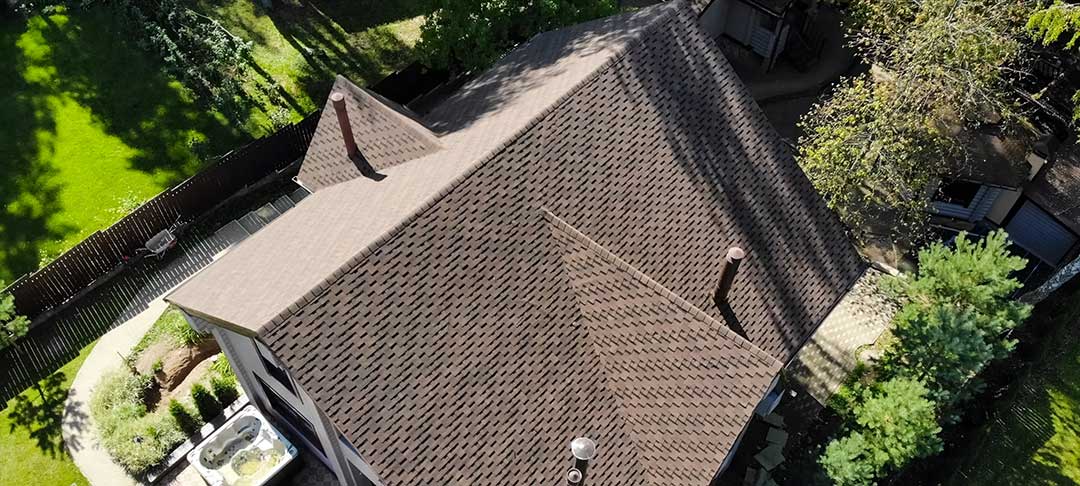
Among the most common issues in Jamestown homes are rusted steel flashing, cracked caulking, and flashing that has come loose due to ice dam pressure. These problems often go unnoticed until interior leaks or moisture stains develop, sometimes far from the actual source.
How Can Local Residents Check for Flashing Problems?
A quick visual check—done safely from the ground with binoculars or from inside the attic—can reveal many common flashing problems. Signs to watch for include:
- Rust or corrosion on exposed metal
- Missing, bent, or loose flashing pieces
- Sealant that is cracking, peeling, or missing
- Water stains, wood rot, or mold in attics or on ceiling edges after rain or snowmelt
Pay particular attention after severe winter weather or heavy storms. Even well-maintained roofs can develop issues quickly if ice backs up at the eaves or if high winds lift or shift vulnerable sections.
Is Repairing Roof Flashing a DIY Job?
Minor repairs—such as re-caulking small gaps—may be manageable for some homeowners with appropriate safety precautions and tools. However, most flashing repairs involve working at height, handling sharp materials, and requiring knowledge of the correct installation sequence and building codes.
On steep roofs or when working around chimneys, always prioritize safety. Some jobs may necessitate the expertise of someone familiar with local construction methods and climate—especially where historic roofing materials or complex intersections are involved.
How Does Flashing Protect Against Local Weather Patterns?
Jamestown’s weather presents special challenges: snow accumulation, ice dams, harsh freeze-thaw cycles, and rapid changes between precipitation and sun. Flashing directs melting snow and rain away from susceptible areas where ice or standing water can find even the smallest entry point.
Well-installed flashing provides the critical final barrier, supporting gutters and shingles in moving water safely off the roof. Without it, seasonal thawing can push moisture under shingles, leading to hidden rot, attic mold, or damage to older framing systems typical in many city houses.
Are There Special Considerations for Older or Historic Homes?
Many local homes were built before modern flashing materials and methods were standard. Older flashing may be concealed, made from less durable materials, or improperly tied into replacement roofing.
Preserving the architectural character of these properties often means matching the style and method of original installations. Sometimes, historic homes require custom-fabricated flashing or creative solutions that respect original construction while delivering adequate protection.
What Are Common Misconceptions About Roof Flashing?
Some residents believe that shingles or roofing material alone are enough to keep water out, or that flashing is only necessary around large features like chimneys. In reality, without flashing at every vulnerable joint or opening, even the highest-quality roof is at risk. It's also a misconception that flashing lasts as long as the roofing itself; in many cases, it needs attention or replacement sooner due to different aging rates or exposure.
