
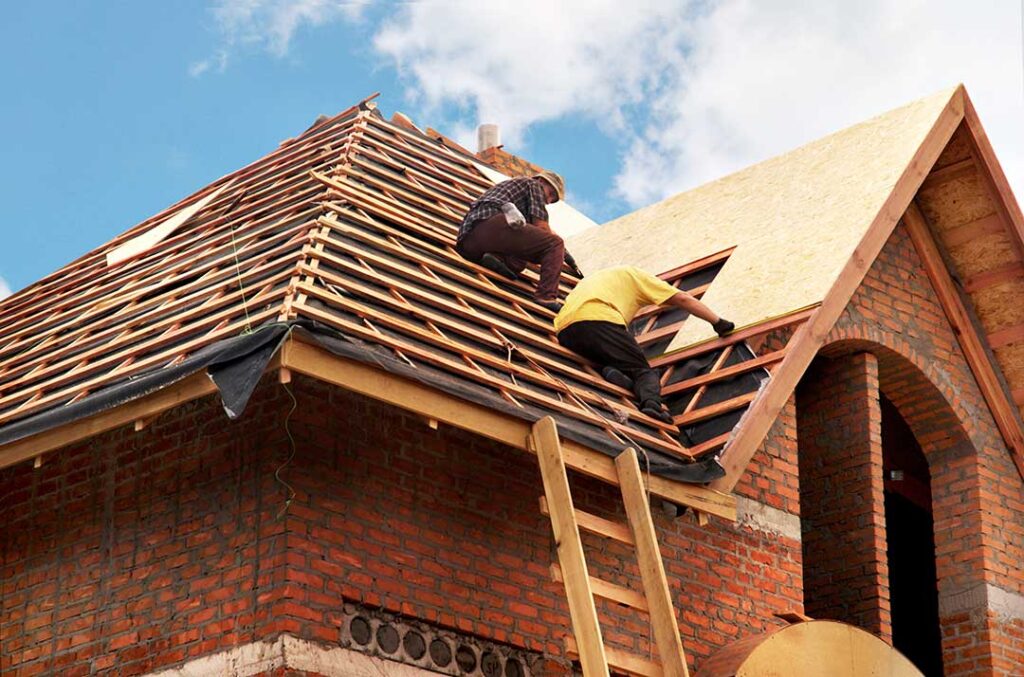
What Can Go Wrong if Roof Repairs Are Delayed?
Ignoring roof repairs might seem like a harmless way to save time or money, but issues almost always get worse—not better—when left alone. In Jamestown, NY, where the climate brings heavy snow in winter, spring rain, and dramatic temperature swings, delaying maintenance often leads to more costly and widespread damage.
Over time, minor problems such as loose shingles or a small leak can quickly escalate. Water infiltrates the roof system, leading to rot, mold, and compromised structural integrity throughout the home.
Why Are Local Roofs Especially Vulnerable?
Roofs in this region face annual freeze-thaw cycles, ice dam formation, and significant moisture. These conditions stress older roofs and highlight any weak spots.
For example, a small patch of missing shingles after a late-winter windstorm can let in meltwater. This water may then refreeze overnight, prying up roofing materials and exposing the deck beneath. Area households frequently underestimate how quickly such seasonal conditions can magnify a minor issue.
What Damage Spreads Beyond the Attic?
Problems that start on the roof seldom stay there. Here are some of the ways neglect leads to bigger headaches indoors:
- Attic insulation gets soaked, losing its ability to regulate temperatures and driving up utility bills.
- Moisture can create a breeding ground for mold, affecting air quality and increasing allergy risks.
- Water stains often appear on ceilings or upper walls, eventually weakening drywall and paint.
- Rotting rafters and beams may become structurally unsafe, especially if dampness persists through the spring and summer.
Property damage isn’t limited to older homes, either. The combination of heavy snow loads, rain, and persistent humidity means that any local home—regardless of age—can suffer from neglected roof maintenance.
Are There Financial Risks to Waiting?
Delaying roof repairs almost always increases long-term costs. Replacing a few damaged shingles or resealing flashing is much less expensive than widespread water damage. In severe cases, recurring leaks lead to:
- Replacement of insulation, drywall, and sometimes entire sections of framing
- Higher heating bills due to lost insulation value
- Decreased home value and potential challenges during resale inspections
Insurance policies in this region sometimes deny claims for preventable water damage that resulted from deferred repairs, so residents could be left footing the bill.
Can Unseen Issues Develop Without Visible Leaks?
Many local homeowners believe they are safe if they don’t see drips or stains indoors. But roof leaks often start in hidden areas and may not be visible for months.
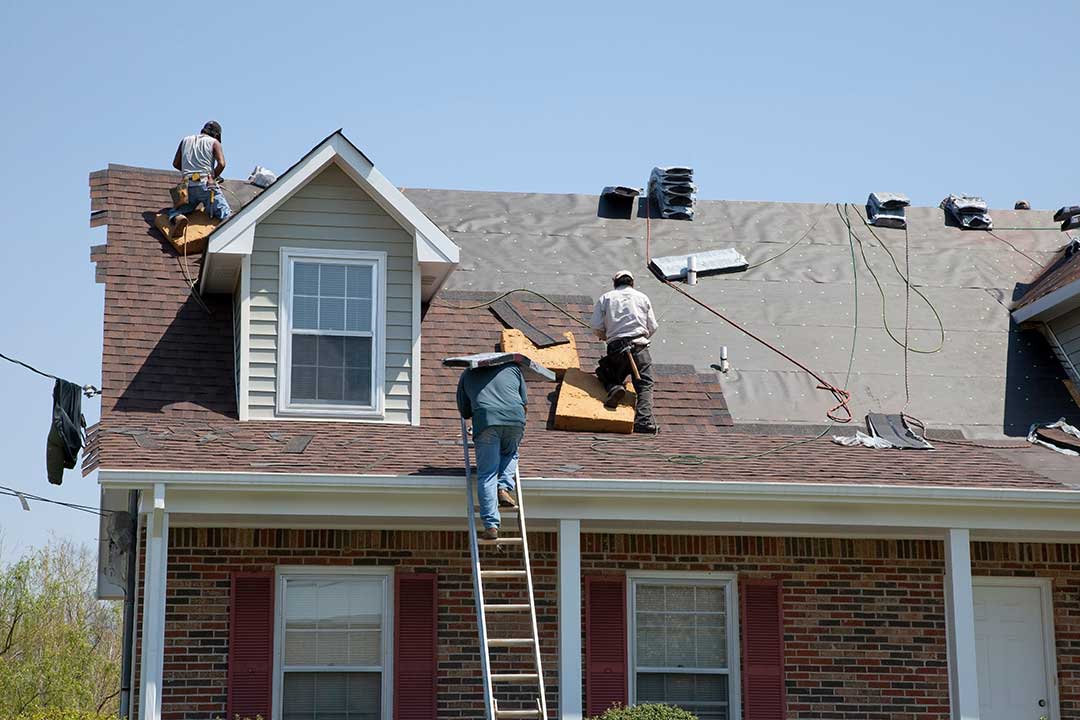
Moisture trapped in roof decking, for example, might take time to manifest visibly. By then, insulation, electrical wiring, or even stored items in attics can already be affected.
What Health Hazards Can Neglected Roofs Cause?
Unchecked moisture from roof leaks breeds mold and mildew. For those with asthma or allergies, this can be a serious health risk.
Older homes in the area often have poorer ventilation, compounding the problem. Once mold colonies take hold in attics or wall cavities, remediation is a major undertaking—not a simple clean-up.
How Do Jamestown Homeowners Commonly Underestimate Roof Repair Needs?
Many area residents focus on removing snow and ice from driveways and sidewalks, but overlook snow buildup on rooftops. Heavy accumulation or ice dams can back water up under shingles, damaging the underlying layers even if the interior looks fine at first.
Flat or low-slope roofs found on older homes are particularly prone to pooling and slow drainage. Dismissing early signs—such as a dark patch on the roof or icicles forming from a single gutter—can allow water to find its way beneath the surface.
What Steps Can Residents Take to Minimize Risk?
Routine checks throughout the year are key, especially after storms or freeze-thaw events. Homeowners can:
- Safely observe the roof from the ground for curled, missing, or cracked shingles
- Check the attic for any dampness, leaks, or moldy smells after snow or rain
- Clear gutters and downspouts regularly to prevent water backup
If hazards such as exposed electrical wiring, sagging ceilings, or significant mold growth are found, pausing to seek expert guidance for safe, code-compliant remediation is wise. Serious structural or health risks shouldn’t be handled alone.
Local weather places unique stress on roofing systems, making proactive attention the best defense against escalating repair needs and costly indoor damage.
