
How Do Flat and Sloped Roofs Differ?
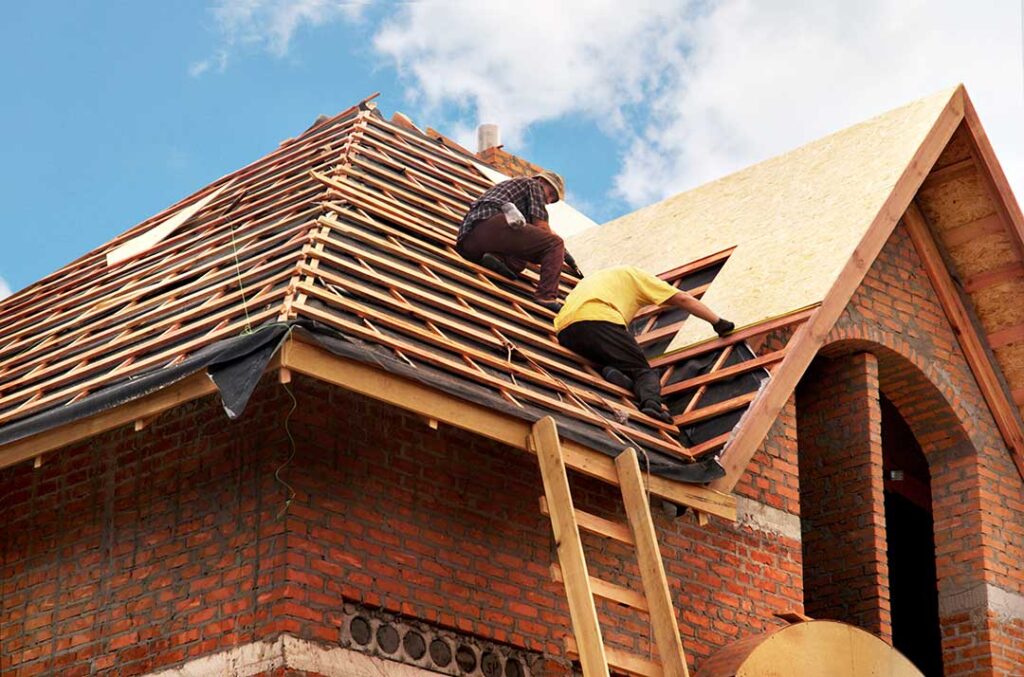
Flat and sloped roofs serve the same basic purpose, but their design, performance, and upkeep differ in meaningful ways—especially in places like Jamestown, NY where the climate can range from warm summers to heavy, snowy winters. Flat roofs are nearly level with just enough pitch to drain water, while sloped roofs rise more steeply, quickly channeling precipitation away.
Flat roofs are commonly found on commercial buildings or mid-century homes. In contrast, most traditional single-family houses in Jamestown have sloped roofs. Deciding between the two depends on a building's style, function, and exposure to local weather extremes.
How Does Jamestown’s Climate Influence Roof Choice?
In Jamestown, the climate shouldn’t be ignored—heavy snowfall, fluctuating temperatures, and seasonal rain can make the right roof type essential for comfort and protection.
Sloped roofs handle snow and rain best. Their angle naturally helps precipitation slide off, reducing the risk of water pooling or ice dam formation, both of which can lead to costly leaks or structural damage. Flat roofs remove water more slowly and may need more frequent checks during thaw periods in late winter or after heavy rainstorms.
For property owners willing to invest extra time in inspection and maintenance, flat roofs are manageable. However, their design leaves less margin for error if drains clog or a membrane cracks during a tough Jamestown winter.
What Are the Advantages of Flat Roofs for Local Properties?
Flat roofs can provide functional benefits in the city’s compact neighborhoods, especially for multi-use or modern-style buildings.
A flat roof in Jamestown might:
- Offer usable space for a small rooftop garden or seating area, though this requires careful waterproofing.
- Allow for easier installation and servicing of HVAC units, solar panels, or satellite dishes.
- Create a modern, clean architectural profile that fits certain home designs.
However, misconceptions about cost or maintenance sometimes lead residents to underestimate the attention flat roofs require, especially in areas with annual snow accumulation and freeze-thaw cycles. Flat roofs may require more frequent debris removal, waterproofing inspections, and attention to snow loads.
Are Sloped Roofs Always Better for Homes in the Area?
Sloped roofs are the common default on most Jamestown homes for good reasons. Their design is well-suited for this region’s mix of rain and snow. A steep pitch not only improves drainage but can also reduce the load stress from heavy snow, as the weight sheds off more quickly than it can on a flat surface.
Other practical benefits include:
- A wider variety of traditional and contemporary roofing materials, from asphalt shingles to metal panels, many of which hold up well in local weather.
- Classic curb appeal that fits comfortably with Jamestown’s historic neighborhoods and architectural patterns.
- Greater attic or storage space beneath the roof, which can help with insulation and temperature regulation.
Still, it’s important to remember that even sloped roofs need routine upkeep, especially clearing gutters and removing moss or debris after fall and spring storms.
Are Maintenance Needs Different for Flat and Sloped Roofs?
Yes—maintenance routines and potential issues vary significantly.
- Flat roofs:
- Need regular checks for standing water after storms or snowmelt.
- Should have drains or scuppers cleared of leaves, ice, or roof gravel, sometimes multiple times per season.
- Surface cracks, blisters, or punctures in the membrane should be repaired promptly to prevent leaks.
- Sloped roofs:
- Require gutter and downspout cleaning to avoid overflow and ice dams.
- Shingles or tiles should be inspected following high winds or dramatic temperature swings—common in Jamestown’s transitional seasons.
- Chimney flashing and ridge caps deserve special attention for water intrusion.
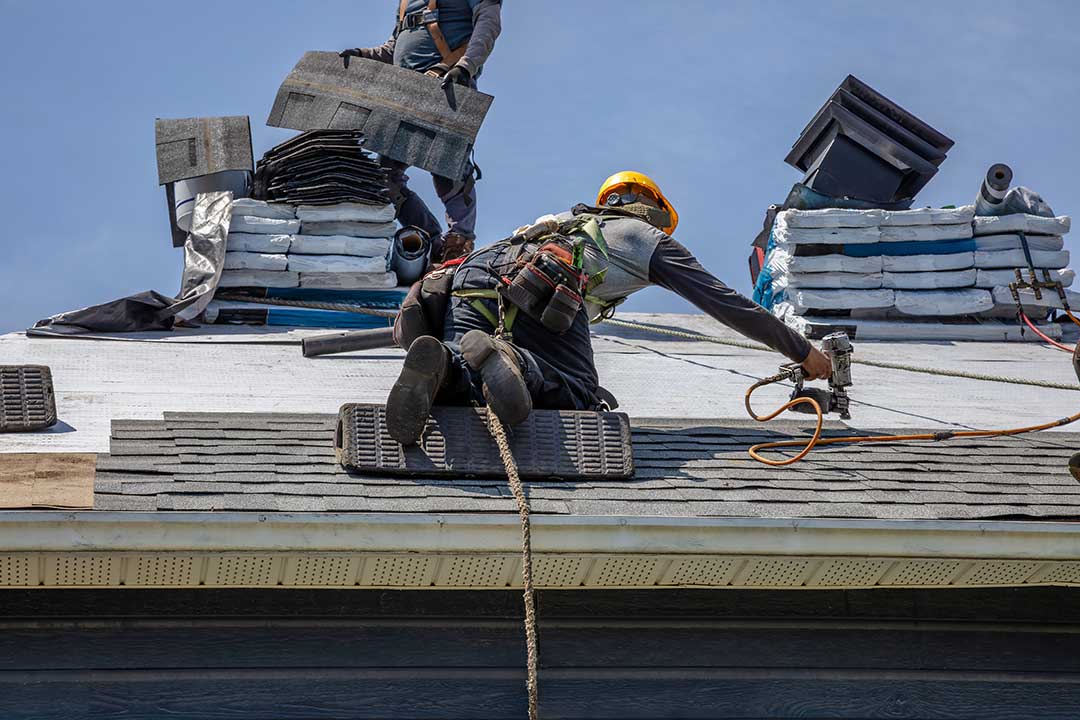
Flat roofs generally require more vigilant care during Jamestown’s wetter or frozen months, but both roof types benefit from annual inspections.
Are Flat Roofs More Affordable to Install or Repair?
Flat roofs are sometimes assumed to be cheaper due to less framing and material required. In reality, the initial installation may be comparable or slightly less expensive than a sloped roof for similar-sized buildings. However, flat roofs often involve higher long-term maintenance and repair costs in climates like Jamestown’s, where snowmelt and pooling water are regular realities.
Membrane or built-up flat roofs may also need resealing more frequently. By contrast, many sloped roof materials have longer warranties and can outlast flat roofing with fewer repairs, balancing initial sticker price with overall lifetime cost.
What Are Some Overlooked Factors in the Decision?
Some homeowners focus solely on price or appearance, but other factors can make a big difference:
- Zoning and code requirements: Jamestown’s building regulations may dictate pitch or roofing materials for certain structures, especially in historic or high-density areas.
- Future plans: Converting flat roofs into outdoor living spaces requires upfront engineering for load and waterproofing—an afterthought when costs rise mid-project.
- Resale value: Buyers in this region may expect sloped roofs on homes, affecting market appeal and potential insurance costs.
- Energy efficiency: The added attic space in many sloped designs can improve home insulation, helping with heating bills during Jamestown winters.
Which Roof Fits Best for Different Building Types?
Generally, flat roofs are best suited for garages, additions, porches, and select multi-family or commercial structures within the city. For most single-family residences, particularly in established neighborhoods, a sloped roof remains the most practical and resilient choice for local weather, resale expectations, and aesthetic fit.
Homeowners considering a change or replacement should weigh not just their style preference, but how their property’s design and exposure interact with Jamestown’s unique climate patterns.
