
What Does Hail Damage Actually Look Like on a Roof?
Hail can leave behind very specific marks that can differ from other types of roof wear. Hailstones, even small ones, can cause a variety of impacts to roofing materials often mistaken for normal aging or unrelated issues. The most characteristic signs involve small dents, splits, or granule loss, but these details sometimes go unnoticed until leaks or other problems develop.
On asphalt shingles, look for:
- Randomly scattered round or oval dark spots from where granules have been knocked off.
- Bruises—areas that feel softer or spongier than the rest of the shingle.
- Exposed fiberglass or mat material beneath the granule layer.
On metal roofs or flashing:
- Clearly visible little dents or dimples.
- Occasionally, chipped paint or protective finish from repeated impacts.
Wood shingles may show:
- Small cracks or splits, often with a slightly ragged edge.
- Indentations that line up with the direction of a previous hailstorm.
How Can You Tell if Hail Damage Is Recent?
Determining if hail damage was caused by a recent storm versus older events can be tricky, especially in a community with changing seasons like Jamestown. New damage typically looks sharper—darker marks, loose or accumulated granules in gutters, and splits without dirt or algae growth inside.
Older marks may:
- Appear weathered or faded.
- Have dirt or moss starting to settle in the exposed area.
Hail damage that is not addressed soon after a storm can worsen over multiple freeze-thaw cycles, a frequent pattern during local springs and falls.
What Roof Areas Are Most Vulnerable in Jamestown’s Climate?
The most exposed slopes, particularly those facing west or northwest, tend to see the most damage since hail in the city often arrives with severe thunderstorms from those directions. Roof edges, ridges, and peaks where wind forces are greatest may show the earliest signs.
Gutters, downspouts, and roof accessories like vent caps or skylight trim can also be excellent indicators. If these features show pitting or dimpling, there’s a good chance the main roof surface was impacted as well.
Are There Common Mistakes Homeowners Make When Checking for Hail Damage?
Many residents assume all roof blemishes or bald spots come from old age, foot traffic, or fallen branches. Not every missing granule is hail-related, and not all hail impacts are clearly visible from the ground. Misconceptions can lead to either ignoring necessary repairs or worrying over harmless cosmetic marks.
A few common misconceptions:
- All circular marks on shingles are hail damage (sometimes factory defects, debris, or blisters look similar).
- Hail only causes large, obvious holes—most actual damage is subtler and needs close inspection.
- If neighboring houses aren’t visibly affected, theirs must be fine too; storms can be highly localized.

Should You Inspect the Roof Yourself After a Hailstorm?
Visually checking your roof from the ground or using binoculars is safe and valuable. Walk lookouts don’t require climbing—a walk around the perimeter of your yard can provide clues from drip edges, vents, and gutters.
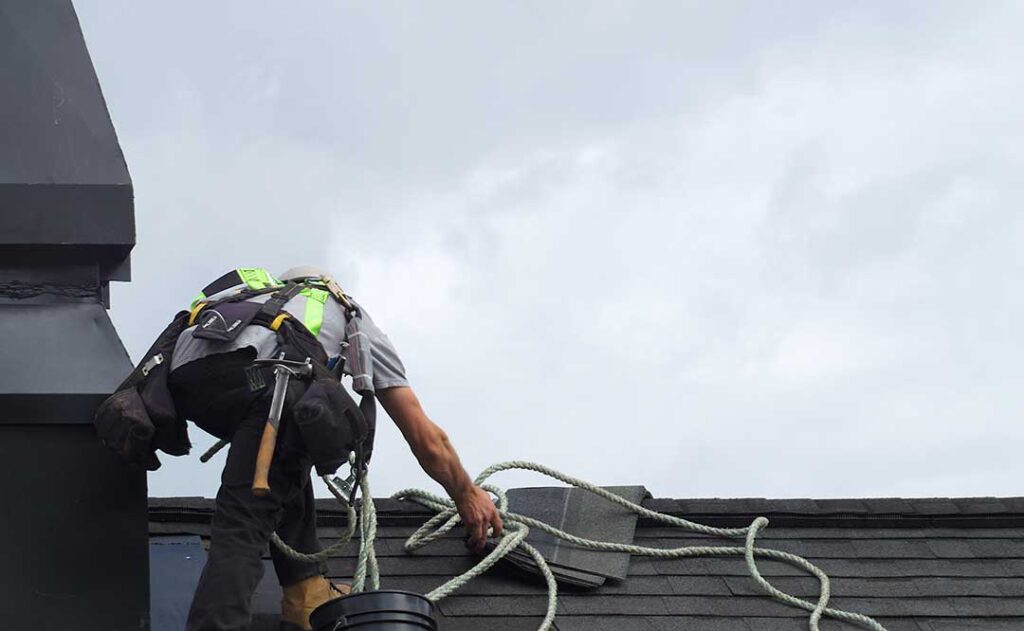
However, climbing onto roofs, especially when wet, steep, or slippery, brings risk. Local residents are advised to only attempt close-up inspections if the roof pitch is gentle, dry, and safe to access.
Some smart safety practices:
- Never check a roof during storms, high winds, or when surfaces are icy.
- Use a sturdy ladder on level ground, and never step on visibly damaged sections.
- Take extra care with older roofs—shingles, sheathing, or supports may be fragile.
How Can You Document Hail Damage for Records or Claims?
If hail has likely caused roof damage, documenting it clearly can be useful for property maintenance, warranty discussions, or insurance claims in the city.
Practical steps:
- Date-stamp photos of obvious impacts, especially where loose granules collect or materials are punctured.
- Keep small samples if loose shingle pieces are found in the yard.
- Make a written record, including weather details, storm date, and descriptions of the affected areas.
Local insurance adjusters are familiar with seasonal hail events in the area, and weather data is generally available to help confirm timing if needed.
What If You’re Unsure Whether the Roof Is Damaged or Not?
A quick self-check of the most accessible parts of your property after a hailstorm can reveal the basics. If you notice multiple dinged or bald spots on siding, mailbox tops, car hoods, or deck surfaces, it’s a strong indication the roof may have been struck too.
When uncertainty remains, continue to watch for new leaks indoors several days to weeks after hail events, especially during heavy rains. Subtle drips, ceiling stains, or musty odors in attics can be late signs that hidden hail impacts have let water in.
