
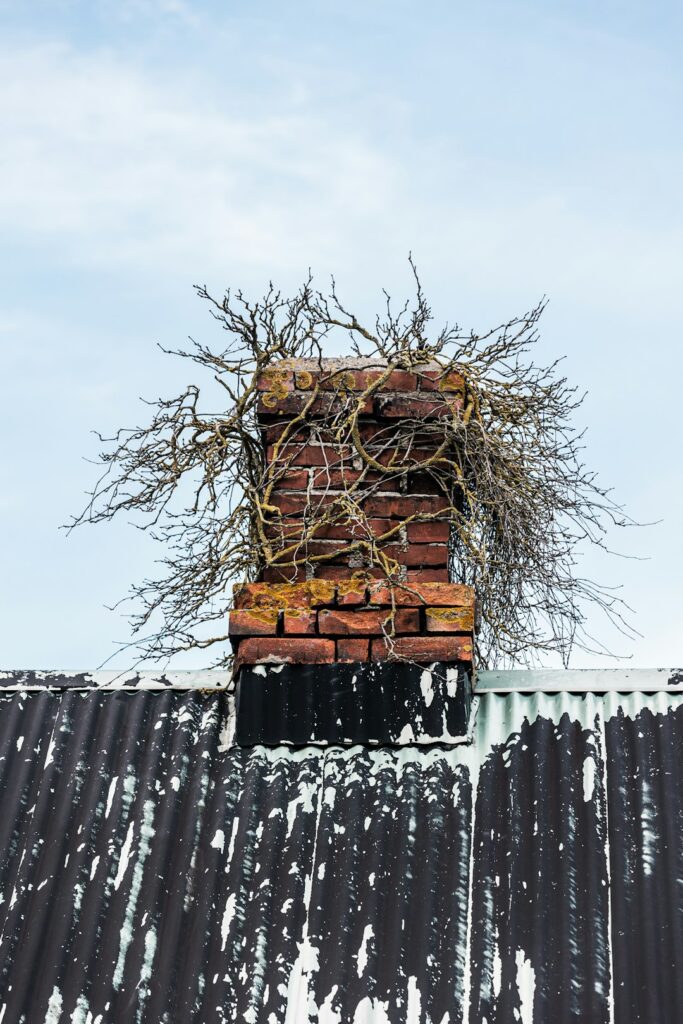
A roof in Jamestown, NY must handle snow, ice, wind, rain, freezing temperatures, and rapid seasonal changes. A practical maintenance routine can help residents notice small problems before they lead to interior water damage, insulation problems, or unsafe winter conditions.
What should be checked in early spring?
Early spring is the right time to look for damage caused by snow, ice, wind, and repeated freezing and thawing. Begin with a ground-level inspection, then arrange a closer inspection only if the roof can be accessed safely.
Look for:
- Missing, cracked, lifted, or visibly damaged shingles
- Shingle granules collecting near downspouts
- Bent or loose flashing around chimneys, vents, skylights, and roof edges
- Sagging areas along the roofline
- Gutters that have pulled away from the fascia
- Water stains on ceilings, upper walls, or attic framing
- Damp insulation, musty odors, or daylight visible through the roof deck
Ice dams are a common concern after snowy winters. They form when heat escapes into the attic and melts snow on warmer sections of the roof. The water can refreeze near colder eaves, creating a ridge that prevents drainage. Evidence may include stained attic wood, wet insulation, peeling paint, or water marks near exterior walls.
Do not chip away ice with a shovel, hammer, or other sharp tool. That can damage shingles and underlying materials. If an ice dam is causing active leakage or appears too large to manage safely, the situation requires qualified assistance because roof edges and icy surfaces create fall hazards.
How can gutters and downspouts be prepared for spring rain?
Gutters should be cleared of leaves, shingle granules, twigs, and compacted debris before spring rainfall becomes frequent. A clogged gutter can overflow against siding, trim, windows, and foundation areas.
Check that:
- Gutters slope gently toward their outlets
- Downspouts remain securely attached
- Elbows and extensions direct water away from the foundation
- Water does not pour onto walkways, steps, or entry areas
- Fasteners have not loosened during winter
- No section remains bent, separated, or sagging
A downspout that discharges beside the foundation may contribute to basement dampness or soil erosion. Extensions should move water far enough away to prevent it from collecting directly beside the house, while still allowing runoff to drain safely.
What roof maintenance is useful during summer?
Summer is a good time to inspect ventilation, flashing, sealants, and attic conditions. Warm weather also makes it easier to identify areas that may have been hidden by snow and ice.
A roof does not need to look new to be functioning properly, but visible deterioration deserves attention. Check for exposed fasteners, cracked sealant, loose metal, blistering, curling shingles, and areas where roofing material appears unusually dark or uneven.
The attic can reveal problems that are difficult to see from outside. On a dry day, look for:
- Damp or compressed insulation
- Water stains or darkened wood
- Mold-like growth caused by persistent moisture
- Rust around metal fasteners or vents
- Blocked soffit vents
- Excessive heat or poor air movement
Proper attic ventilation helps reduce heat and moisture buildup. Ventilation does not mean opening the attic to outside air through random gaps. It should work as a balanced system, with intake and exhaust paths that are not blocked by insulation.
Summer storms also deserve attention. After strong wind, check the ground for shingles, metal fragments, or other roof materials. From a safe location, look for displaced shingles, damaged flashing, or fallen branches. Avoid walking on the roof after a storm, especially if the surface is wet or materials may be unstable.
How should a roof be prepared for autumn?
Autumn maintenance should focus on drainage, tree-related debris, and readiness for snow. Leaves can collect in valleys, gutters, and around roof penetrations. Organic debris holds moisture against roofing materials and may restrict water flow.
Before winter:
- Clean gutters and downspouts
- Remove loose branches near the roof
- Trim vegetation only where it can be done safely and without damaging the tree
- Inspect flashing and roof edges
- Check attic insulation and ventilation
- Confirm that emergency access areas are not obstructed
- Look for signs of pests entering through roof or soffit openings

Trees near a home deserve special attention after windy weather. Dead limbs can fall onto shingles, damage gutters, or block drainage. Branches that rub against roofing materials may gradually wear away protective surfaces.
Do not seal over a suspected leak without finding its source. Water can travel along rafters and roof decking, so the ceiling stain may be located several feet away from the actual opening.
What should be checked during winter?
Winter inspections should be limited to safe, ground-level observations unless conditions are dry and access is professionally controlled. Snow-covered roofs, ice, and short daylight hours make climbing especially dangerous.
After heavy snow or strong wind, watch for:
- Uneven roof lines or visible sagging
- Large snow loads over porches, additions, or lower roof sections
- Ice buildup along eaves
- Blocked or detached downspouts
- New ceiling stains
- Dripping near windows or exterior walls
- Snow sliding unexpectedly from roof surfaces
Snow should not be removed casually with a ladder, roof rake, or shovel if the work requires standing beneath unstable snow or ice. Falling snow can injure people, damage property, and pull down gutters. Snow removal becomes a safety matter when accumulation is unusually heavy, the roof is visibly deflecting, or access cannot be controlled.
Avoid using salt or chemical deicers directly on roofing materials. Some products can corrode metal components, damage vegetation, or stain exterior surfaces. Heated cables should not be installed in a random pattern or used as a substitute for correcting ventilation and drainage problems.
How often should a seasonal roof inspection be done?
A ground-level check after major storms and a more complete review in spring and autumn is a sensible routine for many homes. Older roofs, homes beneath mature trees, and properties with a history of leaks may require closer observation.
An inspection is especially warranted when there is:
- Active interior leaking
- A sagging roof surface
- Missing sections of roofing
- Damaged chimney or vent flashing
- Repeated ice dam formation
- Extensive moss or persistent moisture
- Signs that wind has lifted or displaced materials
Roof work should not be attempted during lightning, high winds, icy conditions, or when the surface is wet. Even a small repair can become dangerous if the roof cannot be reached and supported safely.
Which maintenance tasks can residents handle safely?
Many homeowners can manage ground-level observation, gutter debris removal from a stable position, downspout checks, attic visual inspections, and documentation of changes with dated photographs. Safe maintenance depends on stable footing, suitable weather, and avoiding unnecessary climbing.
Tasks involving steep slopes, fragile roofing, electrical components, structural damage, ice dams, or active leaks require greater caution. A roof problem that appears minor from the ground may involve damaged decking or hidden moisture beneath the surface.
Keeping a simple seasonal record can help. Note the inspection date, unusual weather, visible changes, interior stains, gutter condition, and any temporary measures taken. This creates a useful maintenance history and makes it easier to distinguish a new problem from an old stain.
