
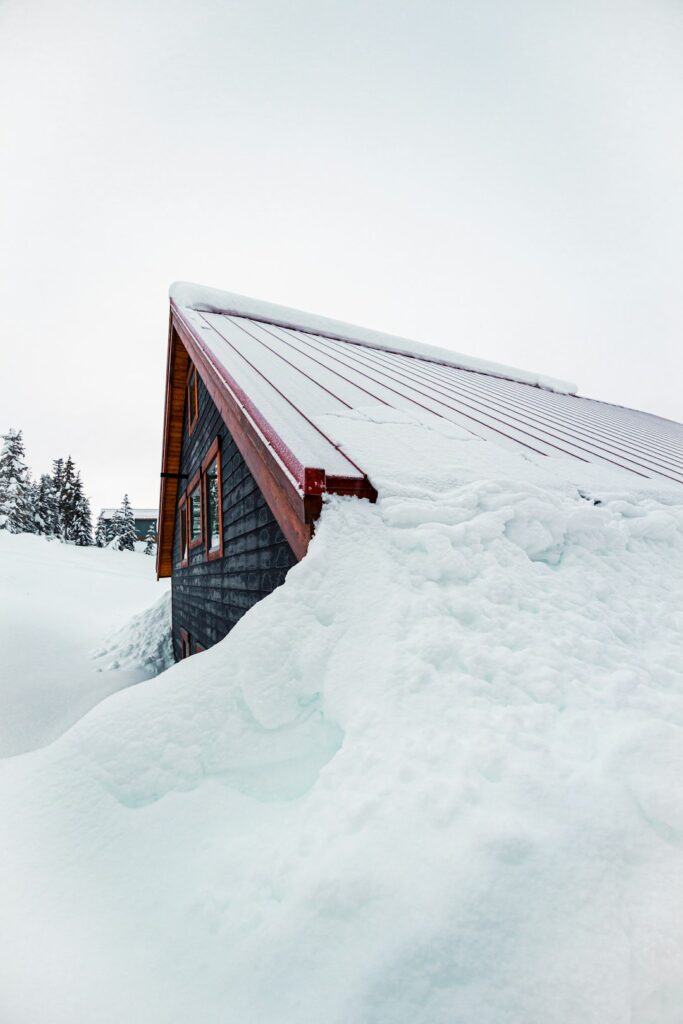
A typical residential roof lasts about 20 to 30 years, but the actual service life depends on the roofing material, installation quality, attic conditions, maintenance, and exposure to weather. In Jamestown, NY, repeated snow, ice, wind, rain, and freeze-thaw cycles can affect roofing materials differently from one home to the next.
How long does a typical asphalt shingle roof last?
Most asphalt shingle roofs last approximately 15 to 30 years. Basic three-tab shingles often reach the lower end of that range, while architectural or dimensional shingles may last longer under favorable conditions.
The advertised lifespan is not a guarantee. A shingle rated for 25 or 30 years may need substantial repairs earlier if the roof experiences storm damage, poor ventilation, ice buildup, or installation problems.
Age is only one part of the evaluation. A roof that is 20 years old may still have serviceable areas, while a younger roof can develop problems if water is entering around flashing, valleys, chimneys, skylights, or roof penetrations.
How long do other roofing materials last?
Roofing material makes a major difference in expected longevity.
- Asphalt shingles: approximately 15 to 30 years
- Metal roofing: approximately 40 to 70 years, depending on the metal, coating, design, and installation
- Wood shakes or shingles: approximately 20 to 40 years with appropriate maintenance
- Synthetic slate or composite roofing: approximately 30 to 50 years
- Natural slate: often 75 years or more when the slate, fasteners, structure, and installation remain sound
- Clay or concrete tile: approximately 40 to cho 75 years, although individual tiles and underlayment may require attention sooner
The supporting components do not always last as long as the visible roof surface. Underlayment, flashing, sealants, fasteners, ventilation equipment, and roof decking can influence whether a roof reaches its expected lifespan.
Why can local weather shorten roof life?
Weather is one of the main reasons two roofs of the same age can be in very different condition. The community experiences cold winters, seasonal snowfall, wind, heavy rain, and regular changes between freezing and thawing.
Moisture can enter small cracks or openings, freeze, expand, and then contract as temperatures change. Over time, this movement can loosen materials, damage flashing, and worsen small leaks.
Snow itself is not automatically a sign of structural danger, but repeated accumulation can place stress on the roof system. Drifting snow may concentrate weight in valleys, behind higher roof sections, or near roof-to-wall intersections. Older buildings may also have been designed under earlier standards that did not address snow drifting as thoroughly as current building practices.
Ice dams are another concern. They form when heat escapes into the attic and melts snow on the warmer upper portions of a roof. The water can refreeze near colder eaves and back up beneath shingles. Proper attic insulation, air sealing, and ventilation help reduce the conditions that allow ice dams to form, although no roof design eliminates winter risk entirely.
What factors have the greatest effect on roof longevity?
A roof’s service life is shaped by several connected factors:
Installation quality
Even high-quality materials can fail early if they are installed incorrectly. Problems may include inadequate fastening, poorly sealed penetrations, improper flashing, insufficient underlayment, or installation over a damaged surface.
Attic ventilation and insulation
An attic that is too warm or damp can accelerate shingle aging and contribute to moisture problems. Good ventilation helps release heat and humidity, while adequate insulation helps limit heat transfer from the living space.
Roof slope and design
Steeper roofs generally shed water and snow more effectively than low-slope roofs. Complex designs with many valleys, dormers, skylights, and roof-wall transitions have more areas where water management must be done correctly.
Tree exposure
Overhanging branches can scrape roofing surfaces, drop limbs, retain moisture, and add debris to valleys and gutters. Shaded roof sections may also dry more slowly after rain or snow.
Maintenance history
Clearing leaves and debris, keeping drainage paths open, checking flashing, and addressing minor damage can help preserve the roof system. Maintenance does not make a failing roof new again, but it can prevent small problems from becoming widespread damage.
What are the warning signs of an aging roof?
Some roof problems are visible from the ground, while others require a closer inspection. Common warning signs include:
- Shingles that are curling, cracking, blistering, or missing
- Dark streaks or areas where the surface appears unusually worn
- Granules collecting in gutters or near downspout outlets
- Sagging along the roofline or between structural supports
- Exposed fasteners or deteriorated flashing
- Water stains on ceilings, walls, or attic framing
- Damp insulation, musty odors, or visible attic mold
- Daylight showing through the roof deck
- Repeated leaks in the same general area

A few damaged shingles do not necessarily mean the entire roof must be replaced. Conversely, a roof can look acceptable from the ground while flashing, underlayment, or decking is already deteriorating.
Should a roof be replaced based only on its age?
No. Age is a useful planning tool, but it should not be the only reason for replacement. A roof near the end of its expected range deserves closer monitoring, especially after severe weather, but condition and performance are more meaningful than a calendar date alone.
For example, an asphalt roof installed 18 years ago may have several useful years remaining if it has good ventilation, no widespread damage, and properly maintained drainage. Another roof of the same age may require major work if it has repeated leaks, widespread granule loss, or damaged decking.
Homeowners reviewing older roofing should consider:
- The material and installation date
- Whether the roof has one or multiple layers
- The history of leaks and repairs
- The condition of flashing and roof penetrations
- Attic moisture and ventilation
- Evidence of sagging or structural movement
- Whether storm damage has affected large areas
How often should a roof be checked?
A practical schedule is to look over the roof and drainage system in spring and fall, with an additional check after major wind, hail, or heavy snow events. Ground-level observation can identify missing shingles, blocked gutters, fallen branches, and visible sagging without putting anyone on the roof.
Roof surfaces become slippery and hazardous during wet, icy, or snowy conditions. Anyone who cannot safely inspect the area from the ground should avoid climbing onto it. Structural sagging, active leaks near electrical systems, major storm damage, or suspected snow-load problems require prompt attention because they may involve more than ordinary surface wear.
The most useful question is not simply, “How many years old is the roof?” It is, “How well is the entire roof system handling water, snow, ventilation, and seasonal movement?” That broader view gives area households a more reliable basis for planning repairs, monitoring, or eventual replacement.
