
How Does Sunlight Impact Roofs in Jamestown, NY?
Roofs in Jamestown, NY are exposed year-round to direct sunlight, which can gradually wear down materials and reduce the lifespan of most roofing systems. Even though the area has cold winters, the summer sun is strong enough to cause visible aging and subtle structural changes over time.
Ultraviolet (UV) rays are the main culprit. Whether a roof is made of asphalt shingles, metal, or other materials, constant UV exposure breaks down binding agents and fades color. Over time, this leads to both cosmetic and functional issues.
What Are the Most Noticeable Effects of Sun Damage on Roofs?
Immediate changes might be subtle, but over seasons, roofs show clear signs of deterioration from sun exposure. Residents of Jamestown commonly notice:
- Fading: Shingles and other roofing materials often lose color due to persistent sunlight, making rooftops appear patchy or much lighter than their original shade.
- Brittleness: Asphalt and similar materials can dry out, becoming brittle and prone to cracking or curling at the edges.
- Granule Loss: For asphalt shingles, the sandy surface granules protect against both weather and sun. As UV rays break down the adhesives, granules wash off more easily during rain, exposing the base layer sooner.
- Warping: Heat from sunlight can cause some roofing materials to expand and contract. Through repeated cycles, this can result in minor warping or buckling, especially in areas with poor ventilation.
Are Certain Roofing Materials More Vulnerable to Sun in Jamestown?
Yes—some materials show wear faster than others under the local climate. While Jamestown does not have the year-round intensity of more southern climates, long summer days and high angles of sunlight present their own challenges:
- Asphalt shingles are widely used thanks to their affordability, but they are susceptible to UV degradation and granule loss.
- Metal roofs are more resistant to UV effects but can experience thermal expansion, which sometimes stresses fasteners and seams over time.
- Wood shakes, less common due to humidity and fire risk, may bleach, dry, and splinter if not properly treated or shaded.
Residents often overlook how north-south roof orientation matters: south-facing slopes in Jamestown receive notably more direct sunlight and thus age faster than shaded or north-facing portions.
Can Sun Exposure Affect Roof Performance Beyond Appearance?
Yes, sun effects go beyond looks. As roofing materials break down, their ability to shed water, insulate, and protect the home is compromised. This can mean:
- Leaks: Brittle, curled, or cracked shingles can no longer seal out rain—especially problematic during spring thaw and summer storms in Jamestown.
- Insulation Value Loss: As some roof components degrade, the attic may get hotter in summer, increasing cooling costs and reducing comfort for upper floor rooms.
- Increased Maintenance: Faster aging on sunny sections may require partial repairs or earlier patching, even if the roof as a whole still seems intact.
How Does the Local Climate Modulate Sun Damage?
Jamestown’s climate—a blend of snowy winters and mild to hot summers—makes for interesting sun exposure patterns. The snow cover in winter can reflect sunlight back onto roof surfaces, potentially doubling the UV effect on exposed areas that aren’t shaded by trees or neighboring structures. Meanwhile, summers bring longer daylight hours and direct exposure, gradually degrading outer layers.
Humidity in Jamestown interacts with sun damage: heat dries shingles, while moisture can then seep in through cracked or compromised materials, compounding roof aging.
What Are Signs That a Roof Has Been Damaged by Sun Exposure?
Residents often miss early and moderate signs of UV damage because issues develop slowly. Some things to watch for during casual inspection or regular home maintenance:
- Noticeable fading or uneven coloration, especially on slopes facing south or west.
- Shingles with curling, cracked, or missing edges.
- Accumulation of shingle granules in gutters or at the ends of downspouts.
- Warped, raised, or buckled sections, particularly after a stretch of hot, sunny days.
- Hot attic spaces in summer or increased upstairs temperatures, which can signal that reflective coatings or insulation are no longer effective.
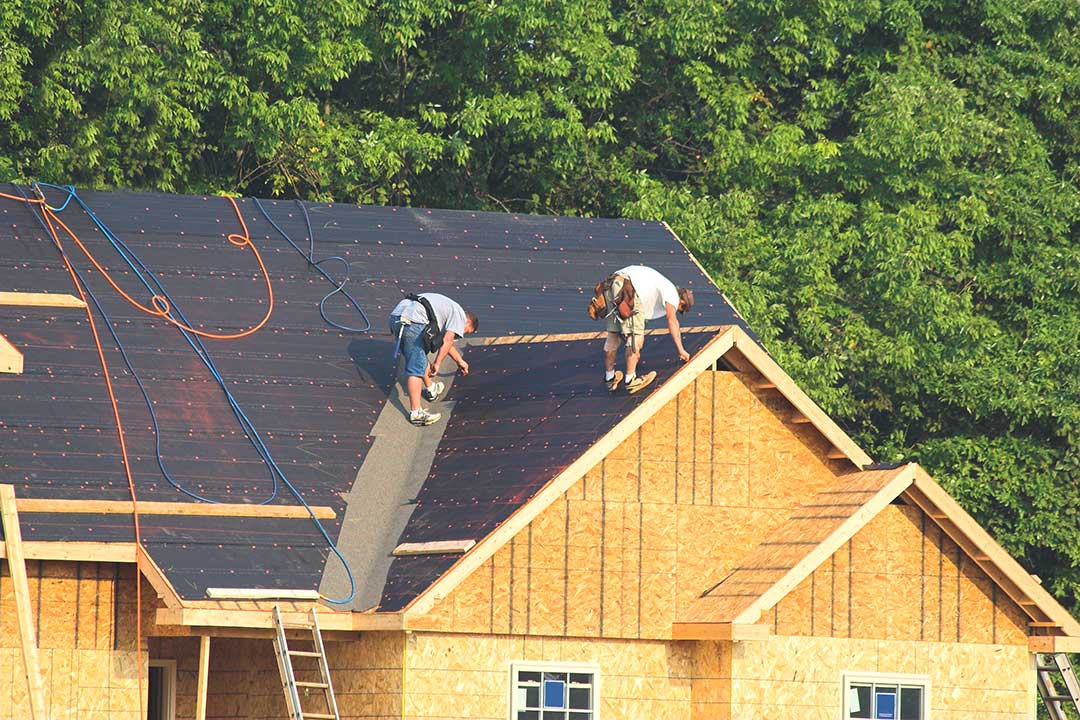
During roof cleaning or after storms, check for soft areas or places where materials seem thinner or loose—these spots often indicate underlying sun damage made worse by weather.
What Are Some Common Myths About Sun Damage to Roofs?
Several misconceptions can cause local homeowners to underestimate the risks sun poses to roofs:
- Only warm climates need to worry about UV damage: Even in Jamestown, with its moderate summers, direct summer sunlight is intense enough to break down most traditional roofing materials over time.
- Lighter colored roofs don’t get damaged by the sun: While light colors reflect more light, they are still vulnerable to UV rays, which work at a chemical level regardless of hue.
- Snow protects roofs from UV rays: Fresh snow reflects sunlight, amplifying UV exposure to the parts of the roof that are not covered by ice or tree shade.
How Can Residents Reduce the Impact of Sunlight on Their Roofs?
While sun exposure is unavoidable, there are practical steps area households can use to extend their roof’s useful life:
- Ensure proper attic ventilation to keep roofs cooler and limit thermal expansion and contraction.
- Trim trees to provide intermittent shade but avoid heavy overhang, which can encourage moss and trapped moisture.
- Use reflective coatings or opt for materials with UV-resistant features if re-roofing is needed.
- Schedule routine inspections—especially after severe weather or at the end of each summer—to catch issues early, when repair is easiest.
Routine maintenance and informed material choices offer the most practical defense against the cumulative effects of sun exposure, keeping homes protected and comfortable in Jamestown’s changing climate.
