

Why Is Fall Maintenance Essential for Local Roofs?
Fall is a critical season for roof upkeep in Jamestown, NY due to the area’s changing weather. The transition from warm summers to cold, snowy winters brings falling leaves, increased rain, and temperature swings that can expose any hidden roof vulnerabilities. Ignoring autumn roof care may result in leaks, ice dam formation, and even structural damage when winter hits.
Homeowners who take action during the fall can prevent these common weather-related issues. Addressing problems before winter also tends to be safer and more efficient, as icy conditions can make any repair or inspection much more hazardous later on.
What Should Residents Inspect on Their Roof Every Fall?
It’s helpful to check for a few key problems before the winter season. Early identification allows repairs while conditions are safer and materials can still seal properly.
Basic fall roof inspection steps:
- Look for missing, curled, or damaged shingles—these often allow water to seep underneath.
- Scan for moss, algae, or heavy debris that might trap moisture.
- Check for rust or gaps on metal flashing around chimneys, vents, and skylights.
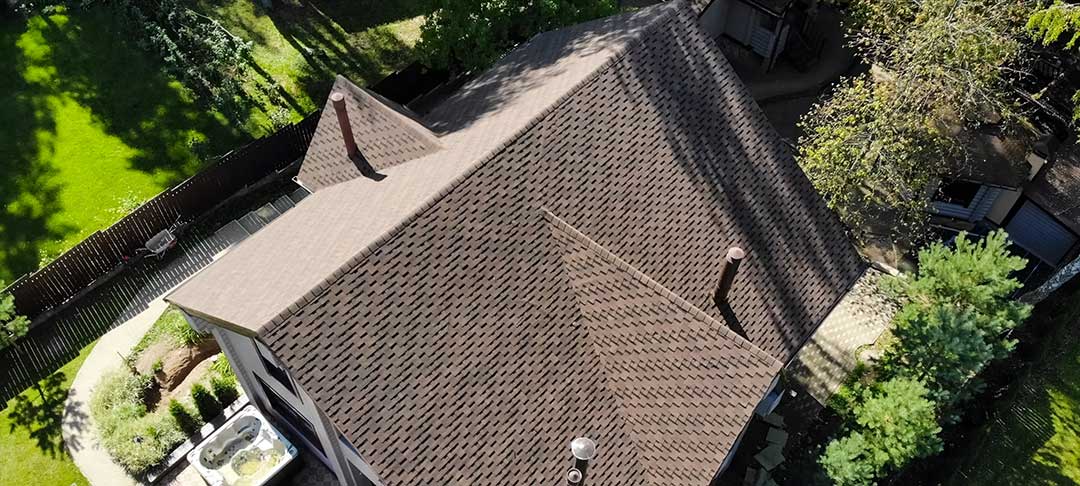
- Examine valleys (the places where roof planes meet); these direct the heaviest runoff and are often most vulnerable to leaks.
- From your attic or top floor, look for signs of previous water leaks like stains, damp insulation, or mildew odor.
Residents often overlook the need to check after heavy autumn wind or rain events, which can quickly dislodge shingles or clog up drainage systems.
Are Gutters and Downspouts Really That Important?
Yes—keeping gutters and downspouts clear is one of the most significant fall maintenance tasks for homes in the city. Fallen leaves, twigs, and roof grit commonly clog these systems in Jamestown each autumn. Clogged gutters lead to water spilling onto siding, pooling near foundation walls, or backing up under shingles.
For a thorough clean:
- Safely remove leaf and debris build-up in both gutters and downspouts.
- Check that downspouts are directing water several feet from the base of the house.
- Tighten any loose sections of gutter brackets.
- Consider using a hose to test flow and look for leaks at seams or joints.
Neglecting this simple routine is often the root cause behind common water damage complaints heard by local housing authorities.
How Does Fall Weather Contribute to Roof Wear?
The combination of cold nights and milder days in Jamestown can cause roofing materials to expand and contract. Over time, this thermal movement may crack seals around vents or loosen nails and shingles. Moisture lodged in small gaps may freeze and expand during early frosts, making cracks larger and more problematic.
Windstorms, which are not unusual in the area, can also pull at loose shingles or push tree limbs onto rooftops. Regularly trimming back branches that hang over the home and removing any debris after a storm helps limit this risk.
Can Residents Prevent Ice Dams Before Winter?
Preventing ice dams begins in the fall, long before heavy snow or frigid temperatures arrive. Ice dams typically form when poor attic insulation or blocked gutter systems allow warm air to melt underside snow, which then refreezes at the roof’s edge.
Prevention strategies include:
- Ensuring proper attic insulation and ventilation so roof temperatures remain even.
- Clearing all leaves from gutters and roof valleys before the first big snowfall.
- Using a roof rake to remove heavy snow accumulation if safe to do so.
Ignoring early signs—like icicles hanging from the gutters or visible attic frost—can mean costly repairs the next spring.
Which Roof Maintenance Tasks Are Safe for Homeowners?
Routine, low-risk checks and basic clean-ups are often manageable for area residents, especially on single-story homes or when working from the ground with appropriate tools.
Tasks most people can handle include:
- Visual inspections with binoculars or from ladders placed securely on flat, dry ground.
- Clearing gutters and downspouts with gloves, a scoop, or a hose.
- Raking leaves and debris off the lower edges of roofs using long-handled roof rakes.
Residents should avoid walking directly on steep, wet, or icy roofs, and always proceed cautiously if using ladders. If mold, significant structural issues, or precarious heights are involved, prioritizing safety is crucial—even if that means waiting until conditions are dry or enlisting qualified help for hazardous repairs.
What Are Common Misconceptions About Fall Roof Upkeep?
Many homeowners believe roof maintenance means major repair—or that it can be ignored until a leak appears. In reality, most fall roof care is about prevention and minor upkeep. Small, regular efforts lessen the chances of emergency repairs during harsh winter weather.
Another misconception is that new roofs don’t need care. Even relatively recent installations can develop issues if gutters clog or debris piles up—especially in neighborhoods with mature trees.
Finally, some residents assume all problems are visible from the ground. While the major signs can often be spotted, some developing problems require a closer look under eaves or around roof penetrations to fully assess.
Are There Seasonal Concerns Unique to the Jamestown Community?
The city’s climate brings several months of freezing temperatures and frequent lake-effect snow, making a sound roof crucial for comfort and safety. Homes with large overhangs or low roofs can experience more leaf accumulation, while older neighborhoods with mature maple or oak trees contribute to heavier fall debris.
Many properties here also feature sloped roofs with valleys and dormers, which can collect leaves and snow more than simpler roof designs. Being aware of these local quirks helps residents tailor their autumn maintenance routines for the best long-term roof health.
