

Why Is Removing Roof Debris Necessary in Jamestown, NY?
Roof debris—like leaves, branches, pine needles, and windblown trash—collects quickly, especially during Jamestown’s fall leaf drop and spring windstorms. Clearing debris helps maintain roof performance, prevent water damage, and extend roof life in the region’s wet and snowy climate. Letting debris accumulate can trap moisture, foster algae or moss, and block gutters, contributing to leaks and ice dams.
When Should Debris Be Removed from Roofs in the City?
Debris should be cleared from rooftops at least twice yearly, ideally after spring blossom drop and again following the region’s heavy autumn leaf fall. Additional checks are wise after major storms or wind events, which are common in Jamestown throughout the year. Homes surrounded by tall trees may need more frequent attention.
What’s the Safest Way to Get Started?
Staying safe is the top priority for any DIY roof maintenance. Most debris removal can be managed without setting foot on the roof:
- Start with both feet on the ground.
- Use extended tools like roof rakes, brooms, or blowers with telescoping handles.
- If debris must be cleared from the roof itself, use a stable ladder, set on level ground, with someone nearby for support.
- Wear sturdy, treaded shoes to prevent slips.
- Avoid working on wet, icy, or windy days.
High or steep roofs, or those with icy patches, present additional risks. In these cases, safety should always outweigh the need to remove debris right away.
Which Tools Are Most Effective in This Area?
For typical homes in the city, these tools make debris removal easier and safer:
- Roof rake with extension pole: Especially handy for clearing leaves and pine needles without climbing.
- Soft-bristled broom: Safely brushes away loose debris without damaging shingles.
- Leaf blower: Lightweight, electric blowers can move dry debris quickly; use with care to avoid pushing material into gutters or neighboring yards.
- Gutter scoop or small hand shovel: For clearing out buildup at gutter edges and valleys.
Metal rakes, pressure washers, or stiff brushes can damage most residential roofing materials and are best avoided.
How Can Residents Remove Debris from the Ground?
Whenever practical, start from the ground:
- Use a roof rake or similar tool to gently pull debris downward off the shingles.
- Avoid shoving debris upward, which can disturb shingles or force water under them.
- Leaf blowers with gutter attachments can blast out troughs and valleys but may require a ladder for full reach.
This low-impact approach works well for single-story homes or those with accessible eaves. It’s especially recommended in yards with soft lawns or gardens near the drip line.
What If You Need to Go Onto the Roof?
Sometimes, debris in valleys, behind chimneys, or under overhanging branches can’t be reached from below. If you must climb:
- Wait for a clear, dry day to avoid slips.
- Wear gloves and soft-soled, grippy shoes.
- Move slowly and avoid stepping near the roof’s edge or on fragile spots.
- Use a bucket or tarp to collect and lower debris rather than sweeping it off, which can clog gutters or harm landscaping below.
- Always have a helper monitoring from below.
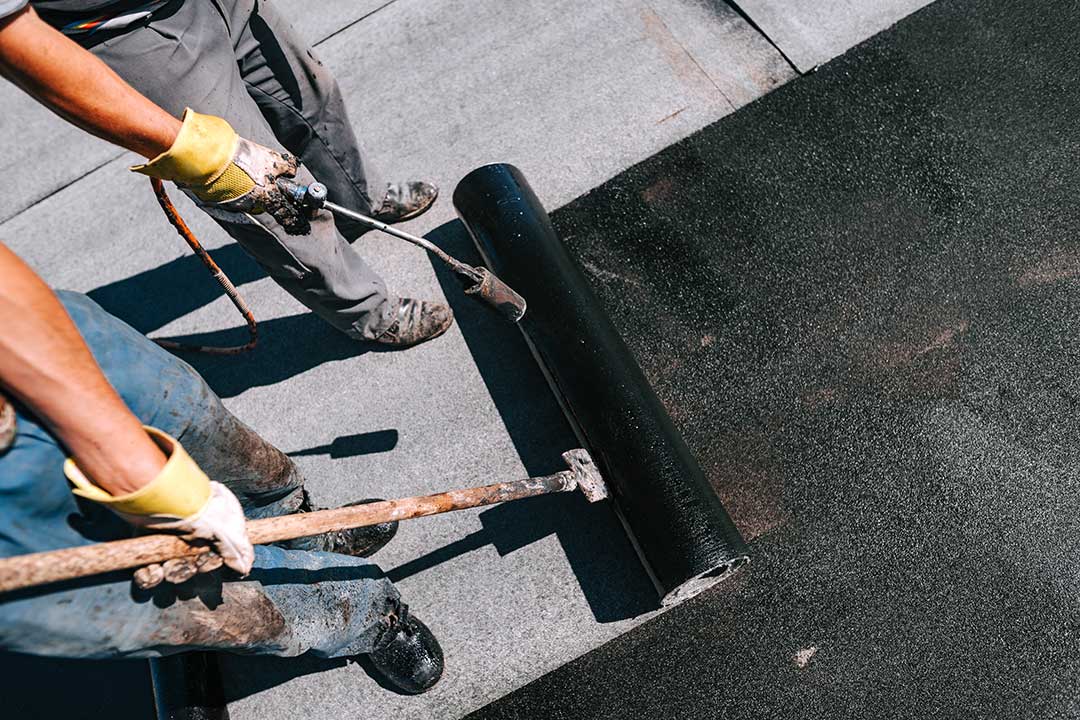
Steep or multi-story roofs usually require additional safety gear such as harnesses and roof anchors. In these cases, professional help may be necessary.
What Are Common Mistakes Local Residents Should Avoid?
There are several frequent errors homeowners in the area can avoid:
- Using high-pressure washers that force water under shingles or dislodge granules.
- Pulling up on shingles or scraping with sharp tools, which can break the roofing.
- Ignoring clogged gutters—trapped leaves often lead to fascia rot and ice dams during Jamestown’s winters.
- Working alone on slippery or frozen roofs, which increases fall risk.
- Forgetting to check around roof vents, skylights, and satellite dishes, all common areas for debris to collect unnoticed.
Why Does Proper Gutter Cleaning Matter After Roof Debris Removal?
Gutters and downspouts shouldn’t be overlooked. As debris slides off the roof, it often settles in gutters, impeding water flow. This blockage can cause water to pool and freeze, exacerbating ice dam and leak risks during the city’s cold months. After removing roof debris, a thorough check of gutters and downspouts can help maintain clear drainage.
What Should You Do with the Collected Debris?
Leaves, twigs, and other organic matter make good compost, or they can be bagged with other yard waste for regular municipal pickup. Avoid leaving roof debris piled near house foundations where it can hold moisture against the home or attract pests.
Are There Ways to Make Future Clean-Up Easier?
Preventive steps can help minimize future roof debris problems:
- Prune branches back from the roof edge to reduce falling material.
- Consider installing gutter guards to limit gutter clogs.
- Schedule regular visual inspections, especially after major wind or snow events.
- After heavy snow, safely remove snow alongside debris to reduce future accumulation and ice formation.
Small, consistent efforts help keep local homes safer and in better condition throughout the seasons.
